As Cyprus takes over the Presidency of the Council of the European Union, discussion has resurfaced around the absence of rail transport on the island and its wider implications for European transport policy.
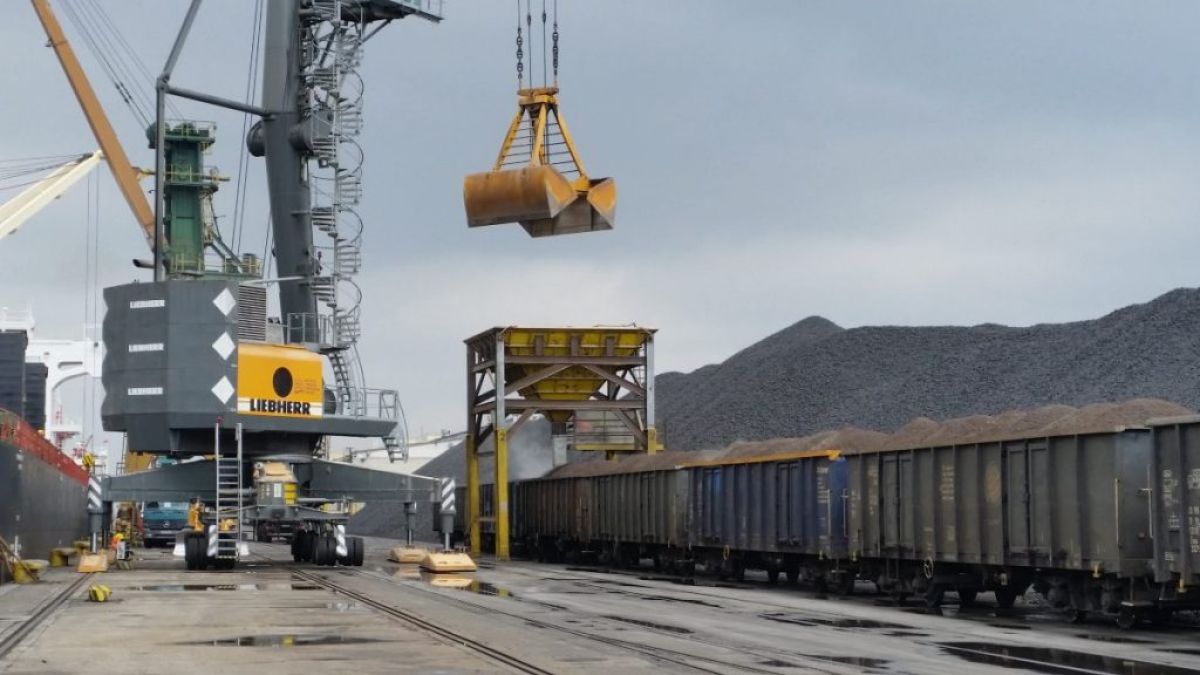
The Presidency provides a political window to initiate preparatory and planning work on a possible return of rail transport. Any future railway in Cyprus would primarily address freight flows, connecting inland logistics nodes with ports and supporting maritime transport routes serving Europe and overseas markets. Such a project would not only reshape domestic transport but also link Cyprus more closely to EU transport and logistics frameworks.
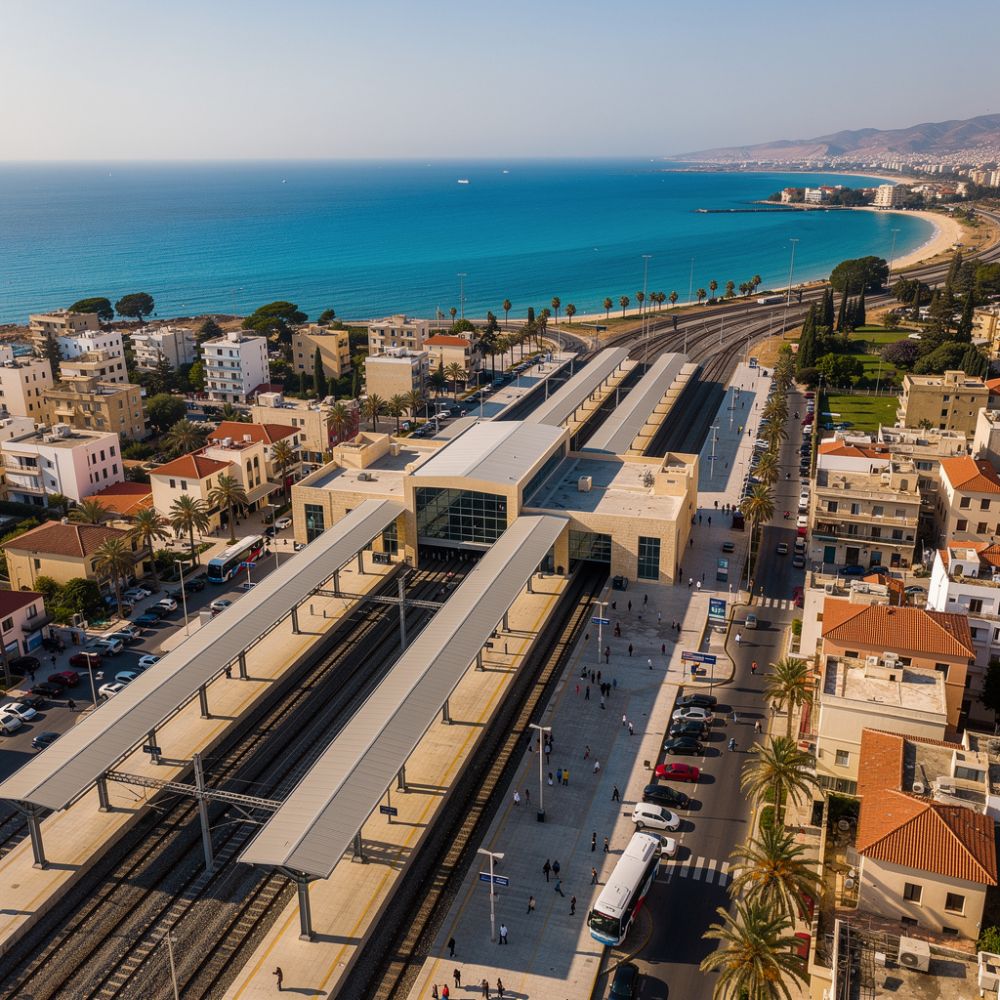
Support for exploring the concept has been expressed at EU level, including by the Commissioner responsible for sustainable transport. The discussion, however, extends beyond national infrastructure and into wider EU priorities linked to transport security and resilience, areas where the Council Presidency plays a coordinating role.
The European Rail Supply Industry Association (UNIFE) has tied the Cypriot debate to several ongoing EU policy files. One of these is the revision of the Public Procurement Directive, expected in the first half of 2026. From the industry perspective, procurement rules influence the security of rail networks, as sourcing critical systems and components from outside the EU may create long-term operational and cyber-related vulnerabilities.
Rail security is also linked to the continued deployment of the European Rail Traffic Management System (ERTMS) along core corridors. Wider implementation is viewed as necessary to reduce technical fragmentation and ensure controlled, interoperable movement of traffic across borders, including for defence-related transport.
The Military Mobility Package presented by the European Commission in late 2025 forms another element of this agenda. Railways play a central role in enabling cross-border military movements, provided that infrastructure parameters and technical standards are harmonised. This approach builds on earlier efforts promoted under the Polish EU Presidency, which focused on corridors serving both civilian and defence purposes.
Cost reduction and cyber resilience remain further issues connected to rail security. Work initiated during the Danish Presidency on simplifying rules and harmonising standards is seen by industry as relevant for limiting system complexity and exposure to cyber risks, while also addressing financial pressure across the sector.