These objectives aim to address several ongoing challenges in the rail freight sector, particularly concerning infrastructure, regulatory environments, and market competitiveness.
ERFA’s three main policy objectives for this period include improving rail infrastructure, advancing the Single European Railway Area (SERA), and improving the overall competitiveness of rail freight. Achieving these goals will require comprehensive policy coordination between various stakeholders, including European and national institutions as well as the rail industry itself.
Key Points:
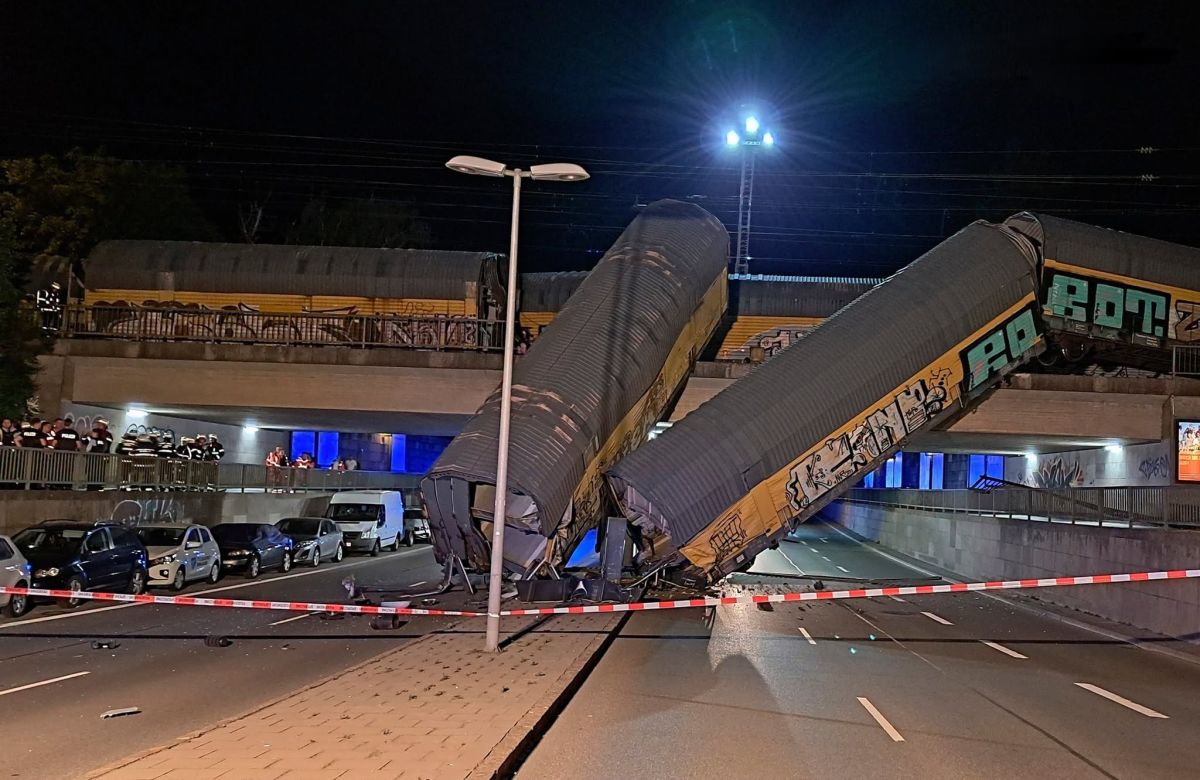
- Infrastructure Development and Capacity Restrictions: ERFA emphasizes the need to complete the Trans-European Transport Network (TEN-T) and optimize Temporary Capacity Restrictions (TCRs), with a focus on minimizing disruptions for rail freight operations. The association advocates for full financial compensation to railway undertakings (RUs) impacted by these restrictions.
- Track Access Charges (TAC): The manifesto calls for a reassessment of TAC policies to support the shift to rail. ERFA suggests that TAC frameworks should be stable over multiannual periods and should serve as a tool to support rail freight in a non-discriminatory manner.
- ERTMS Deployment: The association stresses the importance of prioritizing the European Rail Traffic Management System (ERTMS) rollout, coordinated with the availability of on-board units. ERFA warns against further investments in other technologies until ERTMS is fully implemented across the network.
- Reducing Bureaucracy: To achieve the goals of a Single European Railway Area, the manifesto highlights the need for simplified certification processes and language requirements, aiming to reduce operational complexity and improve cross-border rail traffic efficiency.
ERFA’s proposals underline the need for sustained investments and strategic policy development to ensure that rail freight remains a competitive and sustainable transport mode within Europe’s broader logistics landscape. The association is looking to the incoming European Commission to provide the necessary support for these initiatives over the next five years.