As we inform you last week in this article, since 15 October RCG has been operating at 85% of its regular freight volume from Tuesday to Friday, with up to 100% capacity during Mondays, weekends, and night hours. By 4 November, it is anticipated that RCG will have achieved nearly 100% of its usual volume, due to the additional capacity on the newly upgraded Western route from Meidling to Tullnerfeld. It is anticipated that full operations will resume without restrictions by 15 December.
The flood caused extensive damage to rail infrastructure and significant disruption to international supply chains, with notable effects observed in Austria, the Czech Republic, Poland, Romania, Slovenia, and Italy regarding disrupted freight flows. In response to the incident, RCG implemented a series of rerouting measures, utilizing alternative transport routes, including the Semmering and Pyhrn corridors and neighboring countries.
To adapt to the changed circumstances, RCG implemented a number of new routing strategies. These included rerouting household appliances from Turkey to Germany via Slovenia and Croatia, raw materials from Poland through Slovakia, and single wagon traffic from Vienna to Tyrol via Villach.
In the following points there are some details:
- Household appliances from Turkey to Germany were routed via Slovenia/Croatia instead of via Hungary
-
Raw materials from Poland took their route via Slovakia instead of via the Czech Republic
-
Single wagonload traffic from Vienna to Tyrol was routed via Villach
-
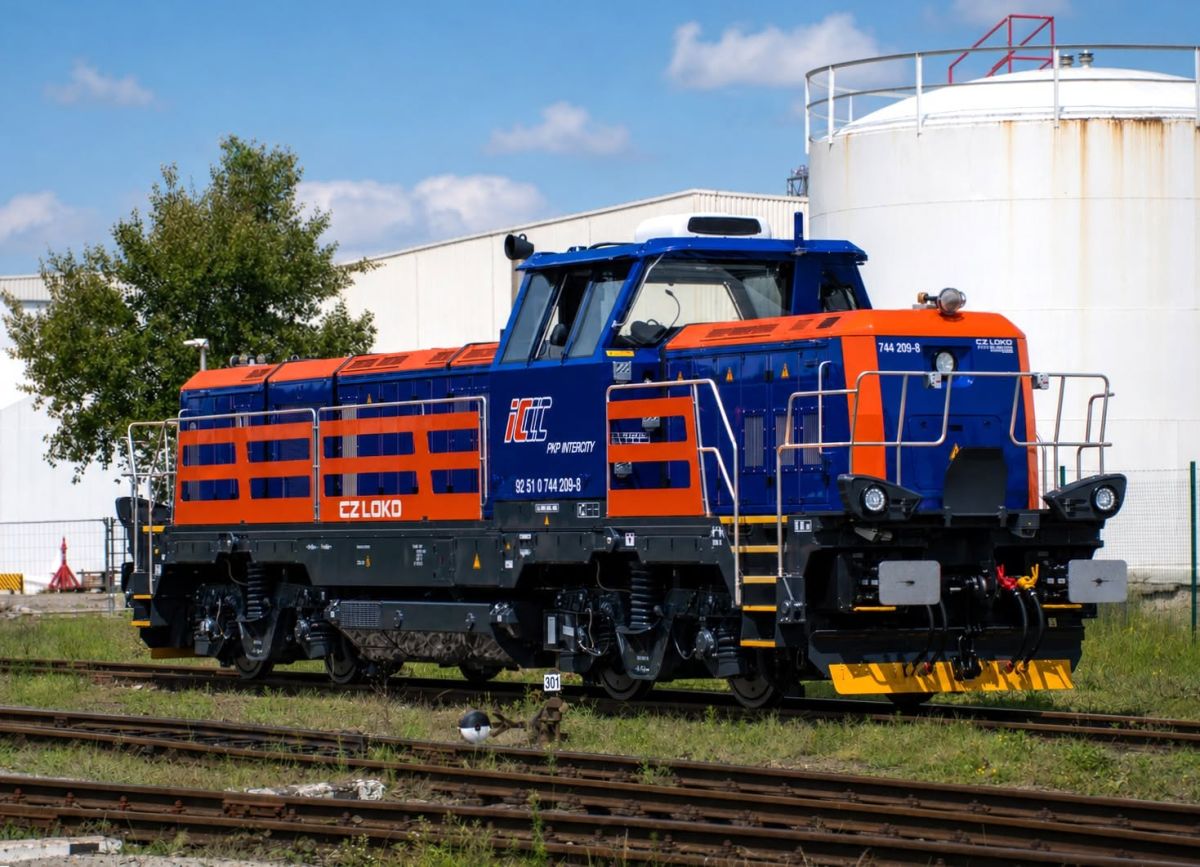
Sugar beet transports on the western line were partly routed via Krems using two diesel locomotives