A cooperation agreement has been signed between Belgian infrastructure manager Infrabel and the Association of European Rail Rolling Stock Lessors (AERRL), opening the next phase of a project aimed at assessing alternatives to diesel traction in rail operations.
The initiative follows an earlier report from AERRL, developed together with Crédit Agricole CIB, ING, KfW IPEX-Bank, and Société Générale. The first phase of the study focused on identifying innovative technologies that could reduce reliance on diesel and outlined a roadmap for decarbonisation in the short to medium term across European railways.
The newly launched phase will concentrate on the practical feasibility of introducing alternative traction systems. The options under examination include biofuels such as hydrotreated vegetable oil, ammonia, and renewable natural gas. Hybrid systems combining pantograph/battery and pantograph/diesel technologies will also be assessed. These alternatives will be evaluated against conventional diesel and fully electrified catenary systems.
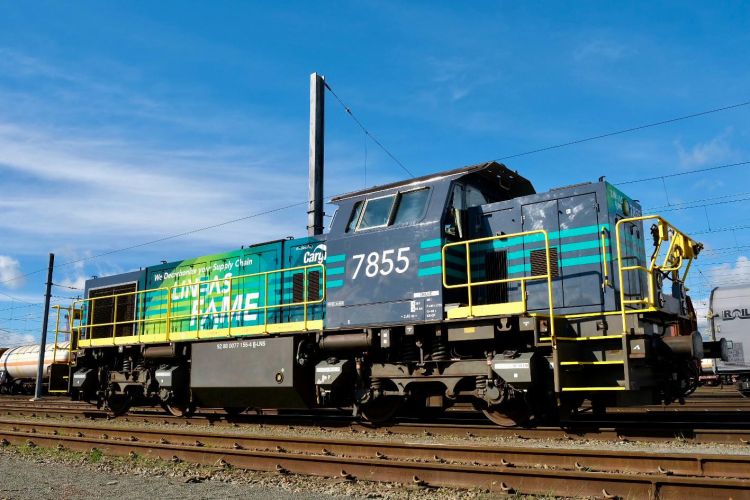
AERRL, supported by the consultancy eolos, will first document three representative operational scenarios. These are a long-distance, multi-voltage freight connection, shunting activities in port areas, and a short-distance national freight service.
Infrabel is tasked with conducting a cost-benefit analysis for these scenarios, applying a social perspective to assess potential impacts and to support the evaluation of future policy and infrastructure decisions.
The project aligns with targets set by European transport policies, which aim to reduce transport emissions by 90% by 2050.