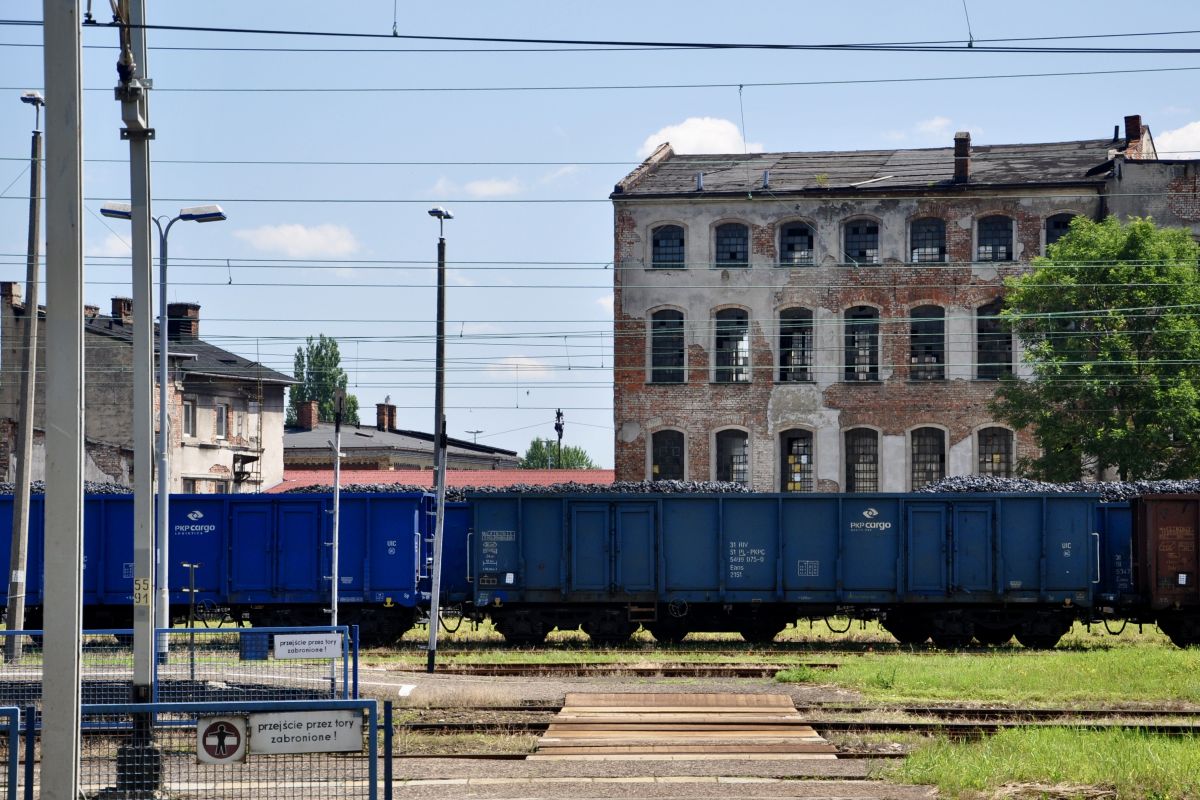
Rail freight volumes in Poland fell to 217.8 million tonnes in 2025, down 2.6% year on year, marking the lowest result since at least 2012, according to data from Urząd Transportu Kolejowego. Transport performance declined to 56.2 billion tonne-kilometres (-3.5%), while train-kilometres dropped by the same margin. Average haul length also shortened slightly to 258 km, reflecting weaker long-distance flows.
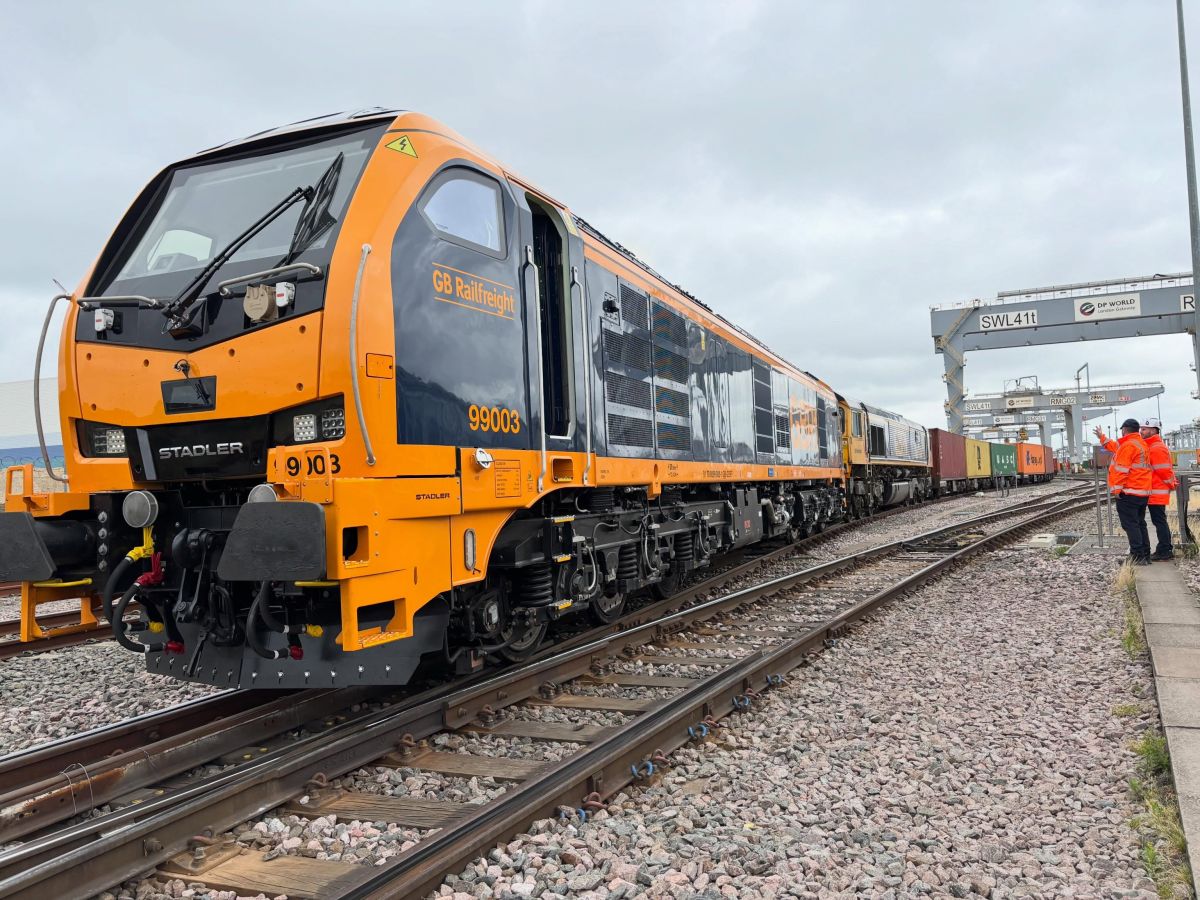
The regulator said the downturn was driven by structural changes in key bulk markets, but noted signs of stabilisation from September. Growth was reported in construction materials, aggregates and secondary raw materials, while intermodal traffic remained resilient, recording volume growth in the first three quarters of the year and maintaining its role in modern supply chains. In December, freight tonnage still declined year on year, but transport performance rose by just over 2%, suggesting longer or heavier trains on selected corridors.
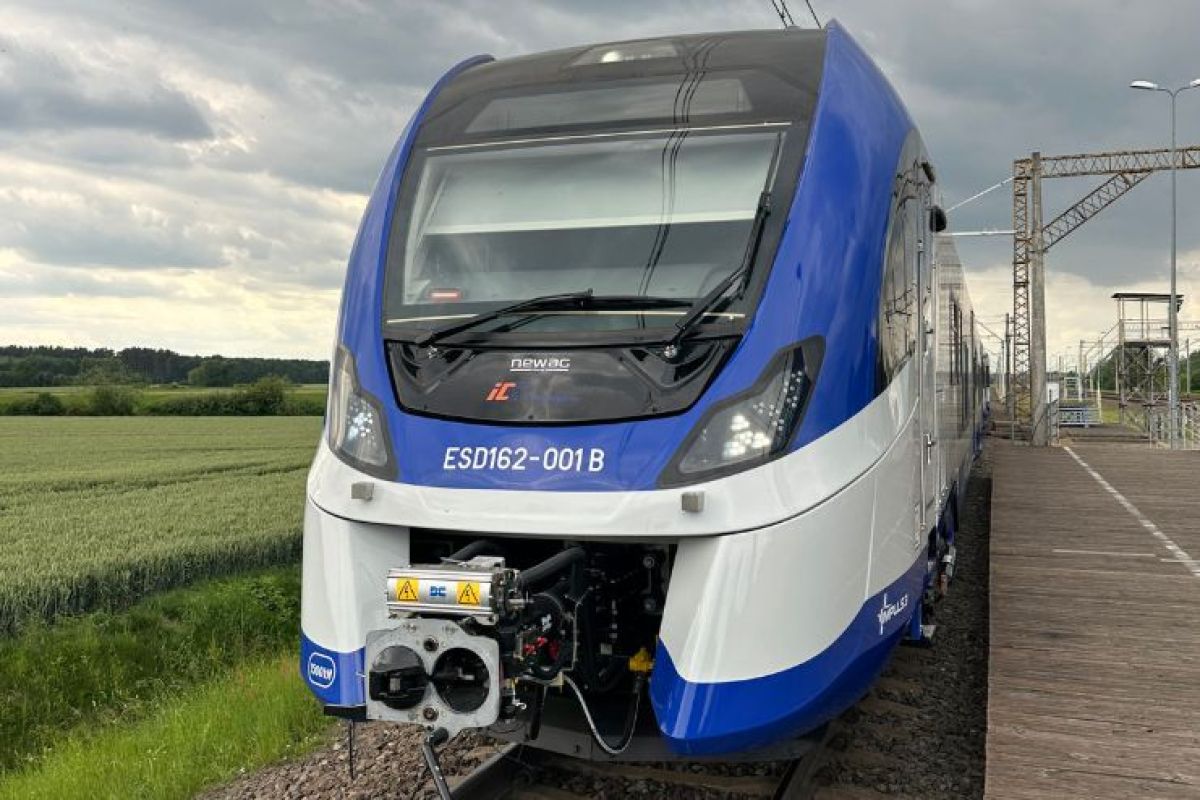
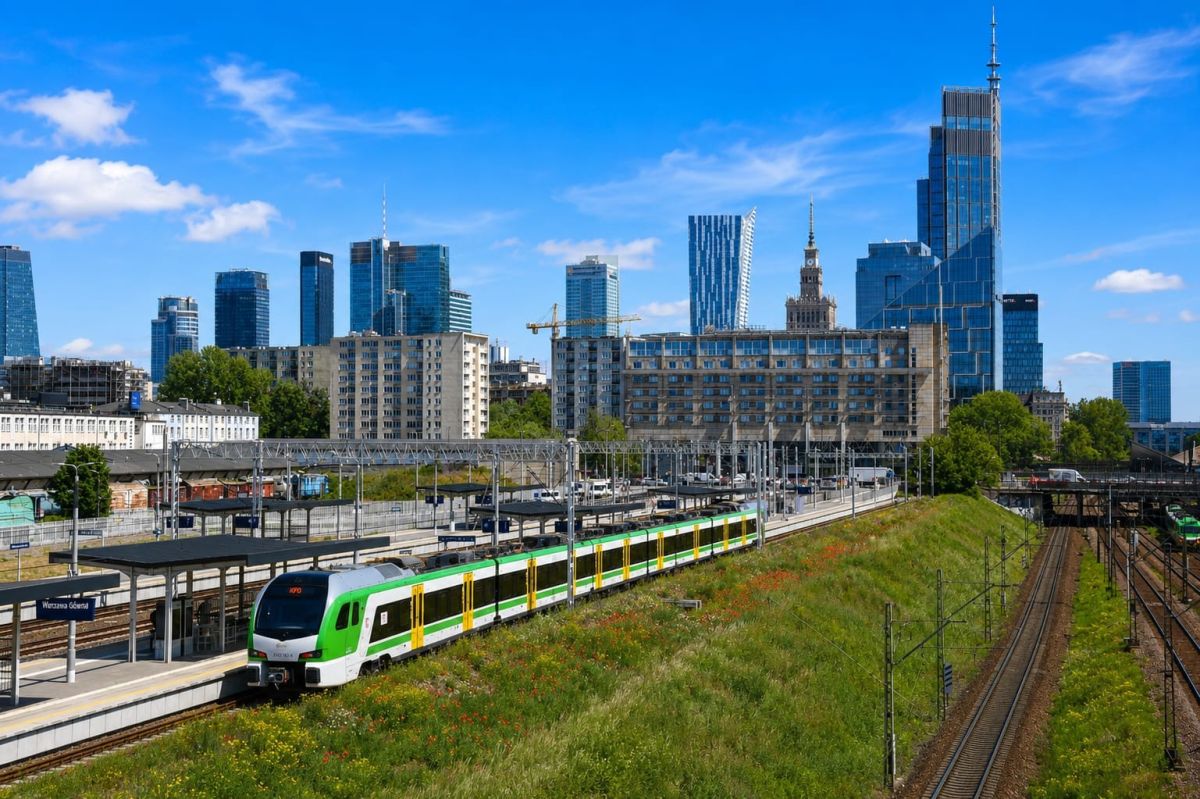
By contrast, passenger rail set a 30-year record in 2025, with almost 439 million passengers (+7.7%). Passenger-kilometres rose to 30.7 billion and train-kilometres to 225.3 million, underlining continued expansion of public service rail. The average resident used rail 11.7 times in 2025, the highest level since the mid-1990s.
The figures underline a widening gap between Poland’s growing passenger market and a freight sector under pressure from weaker industrial demand and shifting commodity flows. While intermodal traffic offers some resilience, the regulator said the overall freight market is still adjusting to new economic conditions and remains dependent on recovery in construction, recycling and logistics-linked segments.