This potential new route is aimed at intermodal transport along the north-south axis across the Baltic Sea.
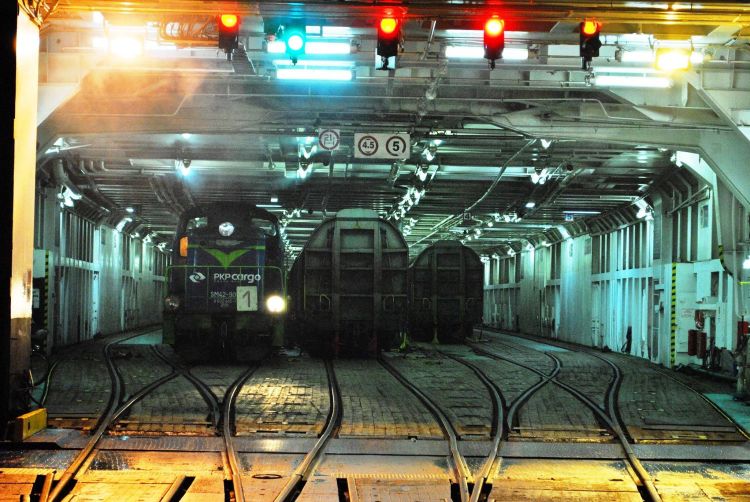
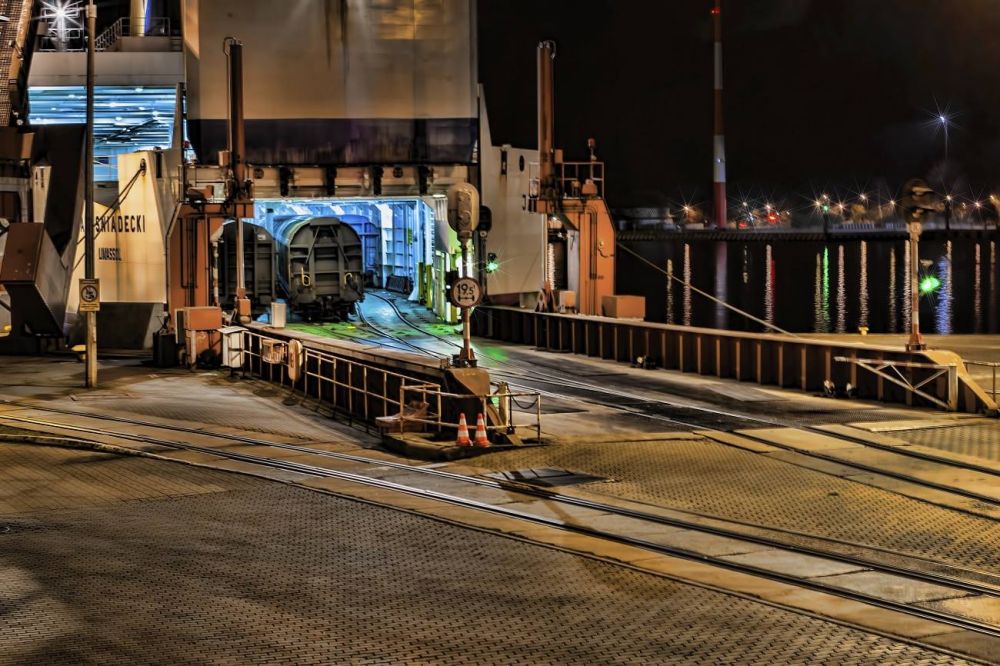
The discussions centered on the feasibility of starting intermodal connections between the two countries. Initially, the focus will be on analyzing the model for transporting container goods by sea through the Tri-City ports. There are plans to extend this in the longer term to include ferry connections using ships equipped to carry entire railway wagons without the need for reloading.
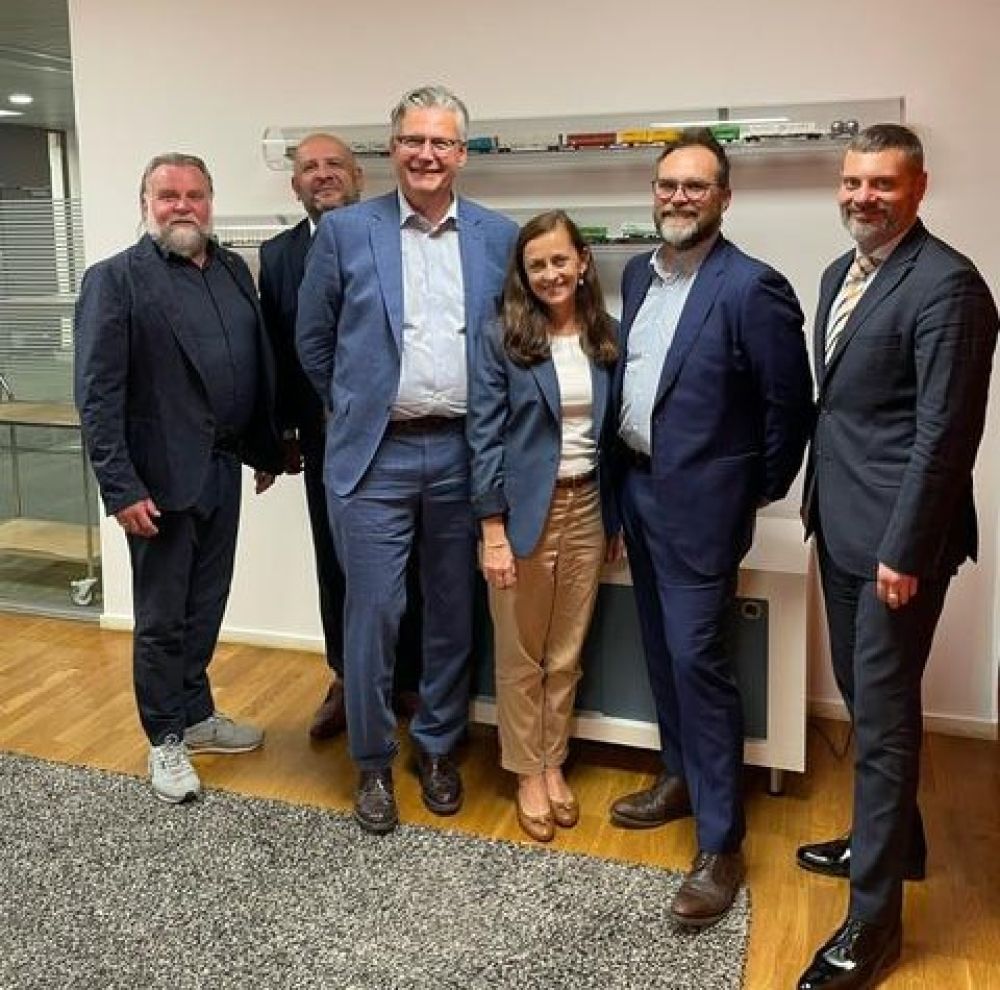
Rail-ferry transport presents opportunities for reducing transit times in international freight movement. PKP Group has expressed an interest in supporting PKP CARGO in re-establishing regular connections between Poland and Sweden. If realized, this corridor would provide a direct link between Scandinavia, Poland, and potentially the Mediterranean basin.
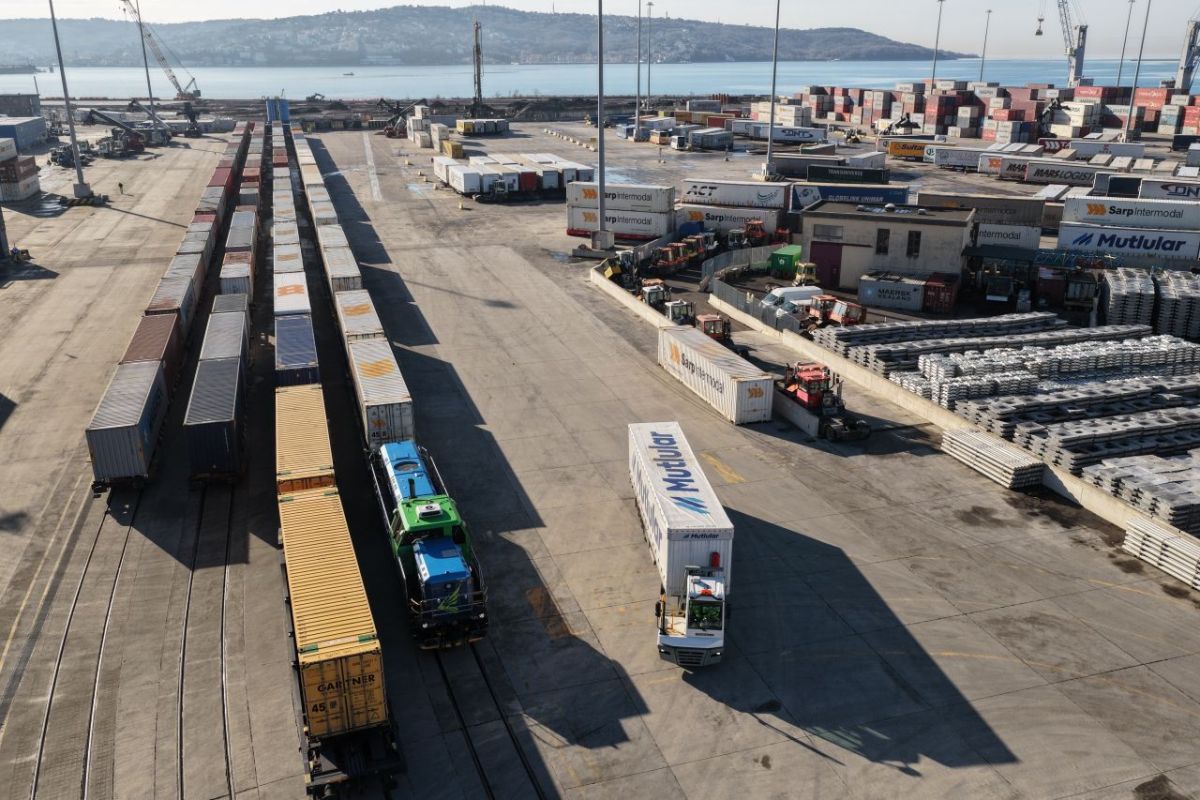
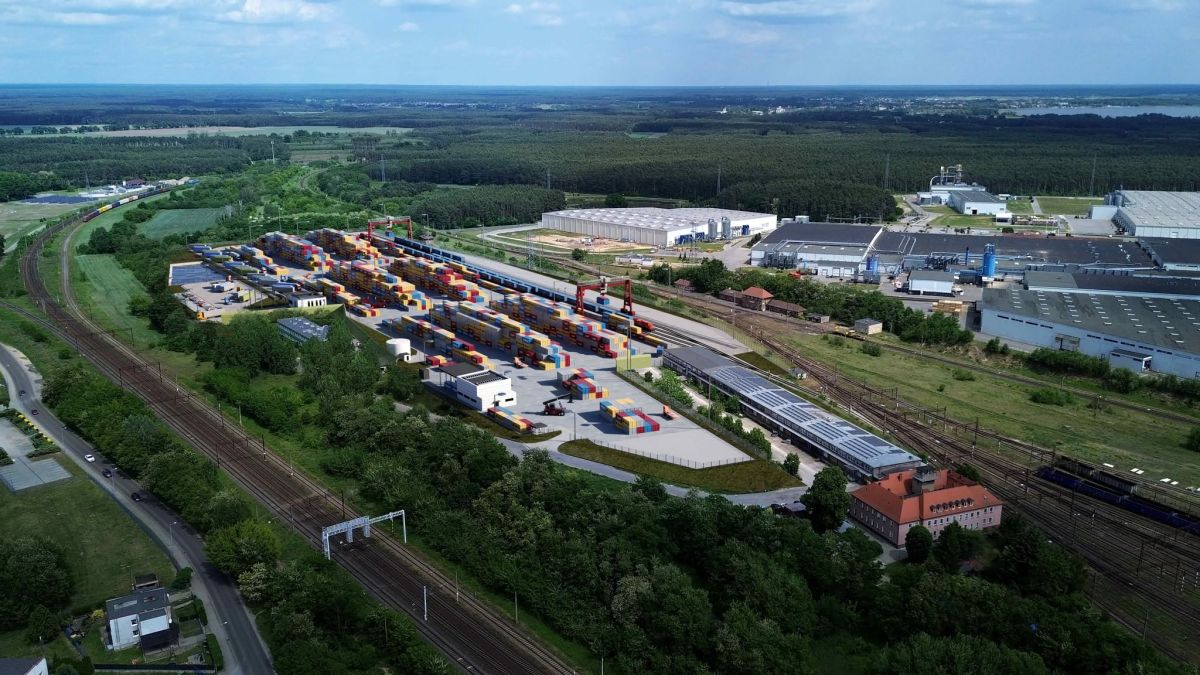
Potential points of implementation for these connections include the container terminals in Świnoujście and Gdynia. Such a route could offer customers of both PKP Group and Green Cargo access to a broader network of terminals and rail links across Europe.
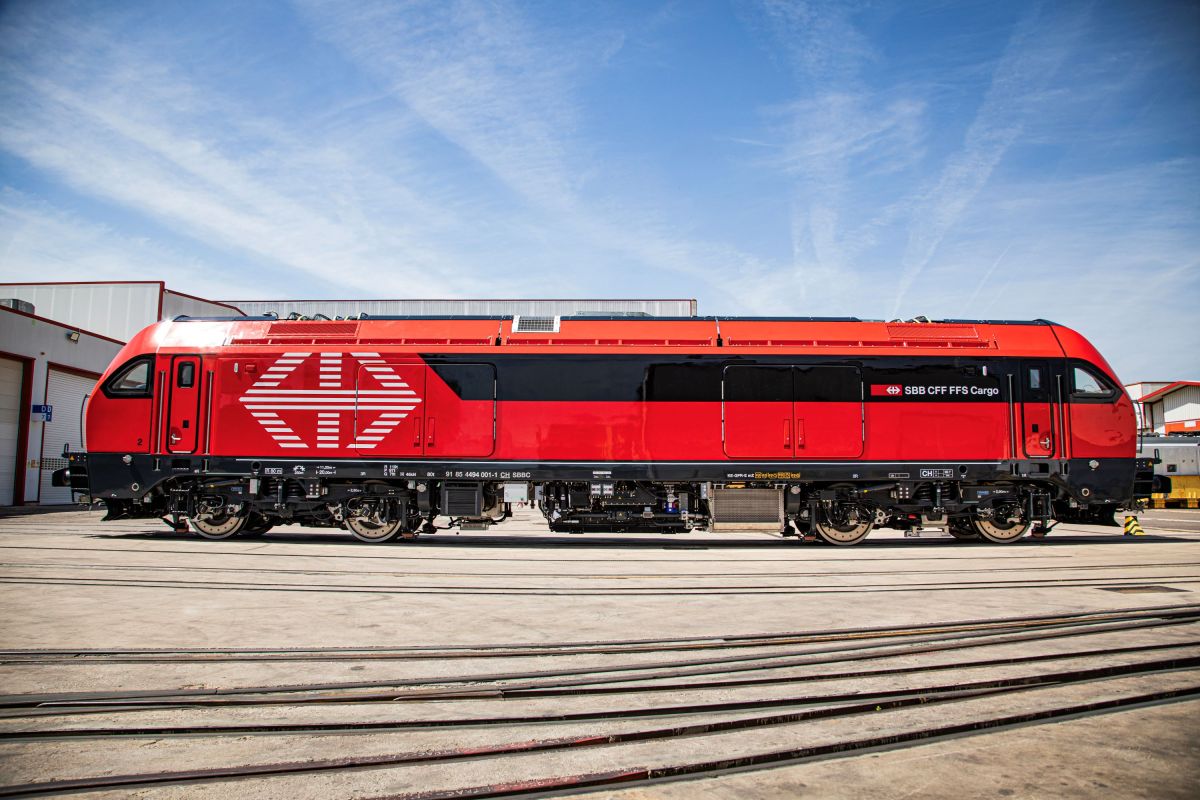
The proposed ferry connections could benefit companies in Poland, the Czech Republic, and other Central and Southern European countries by providing new logistics pathways. Utilizing modern multi-system locomotives, PKP CARGO International can facilitate transport to several European countries without the need to change locomotives, extending reach all the way to the Adriatic.
Both companies emphasize that this project aligns with the European sustainable development strategy, aiming to improve logistics while maintaining environmental considerations. The meeting also allowed for an exchange of insights on the European rail market, with discussions on the specificities of rail transport operations in both Sweden and Poland.