RM: SIM Factor is active in several sectors, but its main domain is railways. Could you tell us about the beginnings?
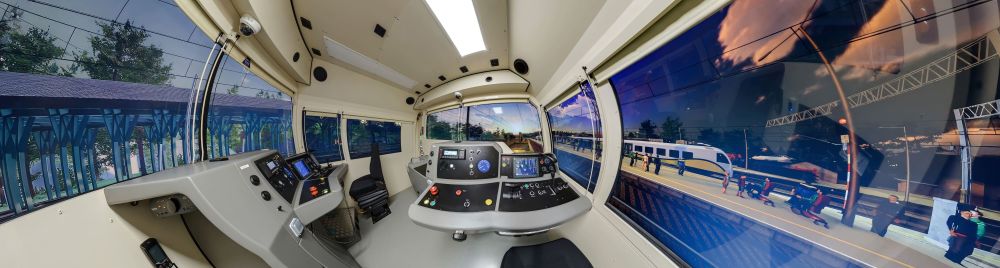
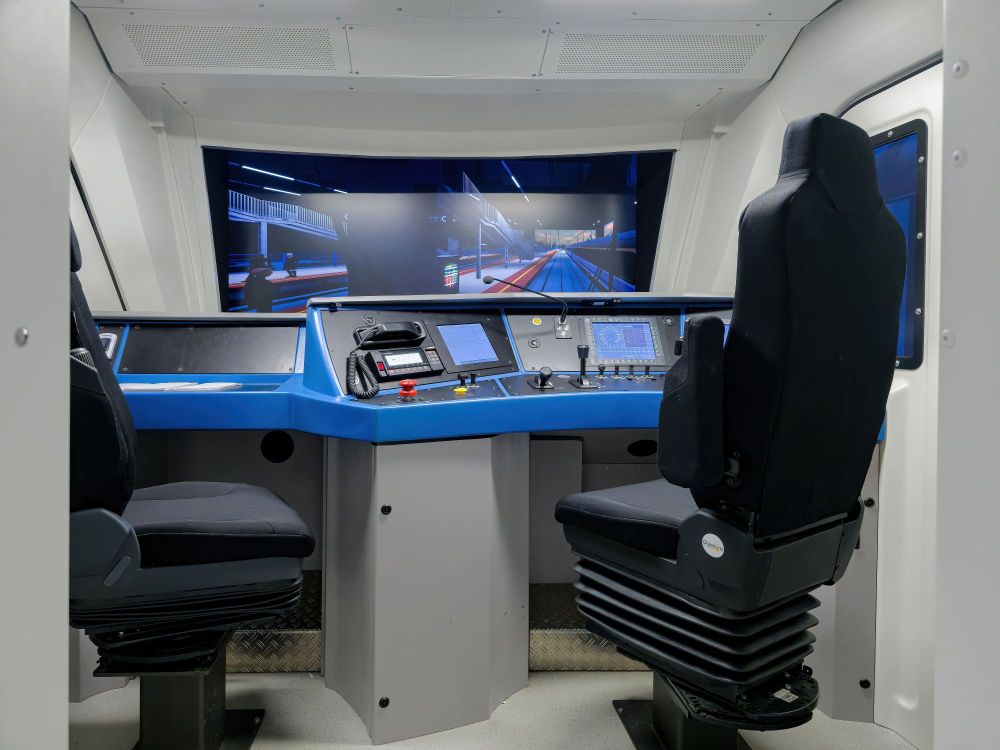
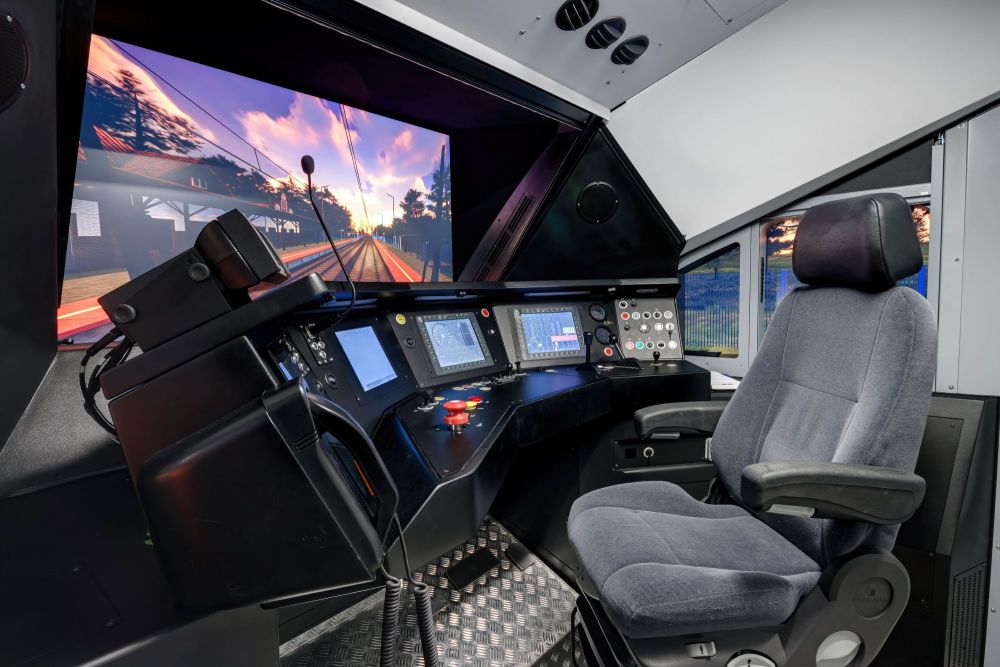
Michał Wierzbicki: Our company dates back to 2017, when SIM Factor started in a proverbial garage. Not only did we thoroughly do our homework by researching what railway simulators were currently on the market and what wasn’t readily available, but the timing was perfect too. The company started working on advanced simulators shortly before training on simulators became obligatory by regulation in Poland. Before we came, there were only three simulators for 14,000 drivers, while the need was calculated for 28 domestic units. Now there are over 56 of them, and we still deliver more, making railways in Poland safer and more modern than ever before. We have thus developed full-scale training systems, primarily for railways. They seamlessly integrate both hardware and software, tailored specifically to each customer's needs. Everything that we can do, we do in-house, here in Poland. That makes us resilient to the supply chain volatility that defines the post-Covid era. The railway industry is our main market, where we develop realistic driver training simulations, motion platform systems, and virtual reality-based training.
RM: What scale of operation does SIM Factor currently maintain?
Michał Wierzbicki: Currently, SIM Factor employs around 100 specialists across two locations in Warsaw and Krakow. Our team is split into hardware designers and service engineers, around 30 software developers of various technologies, graphic artists, and environmental designers. These teams cooperate closely to create integrated simulation solutions.
RM: What is SIM Factor’s product range and how has it developed since the company started in 2017?
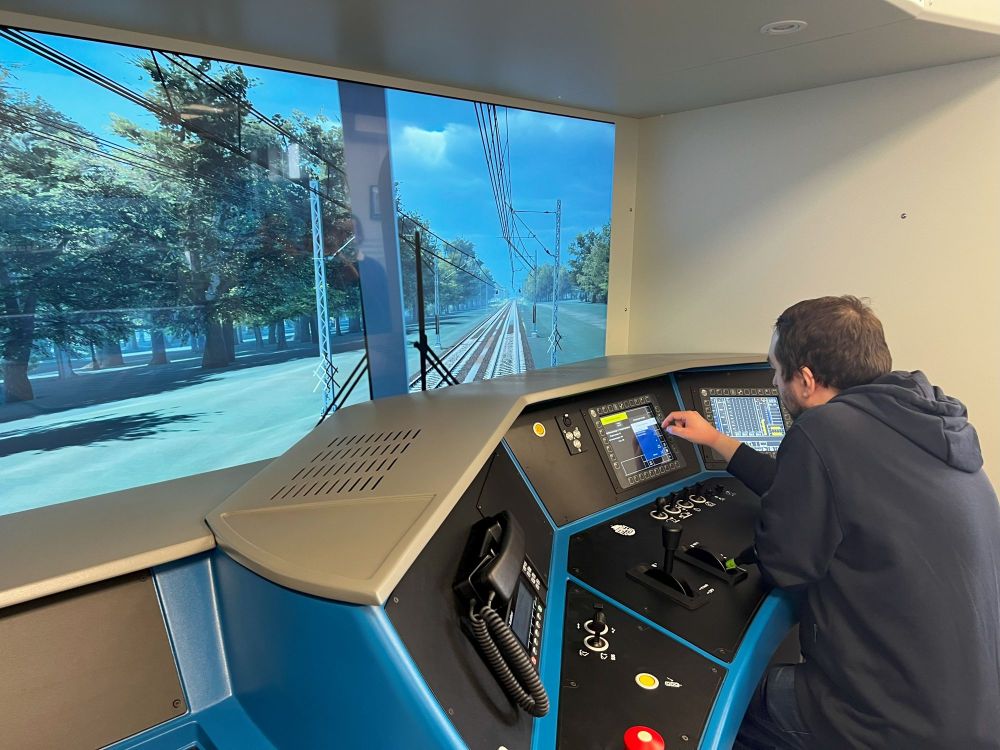
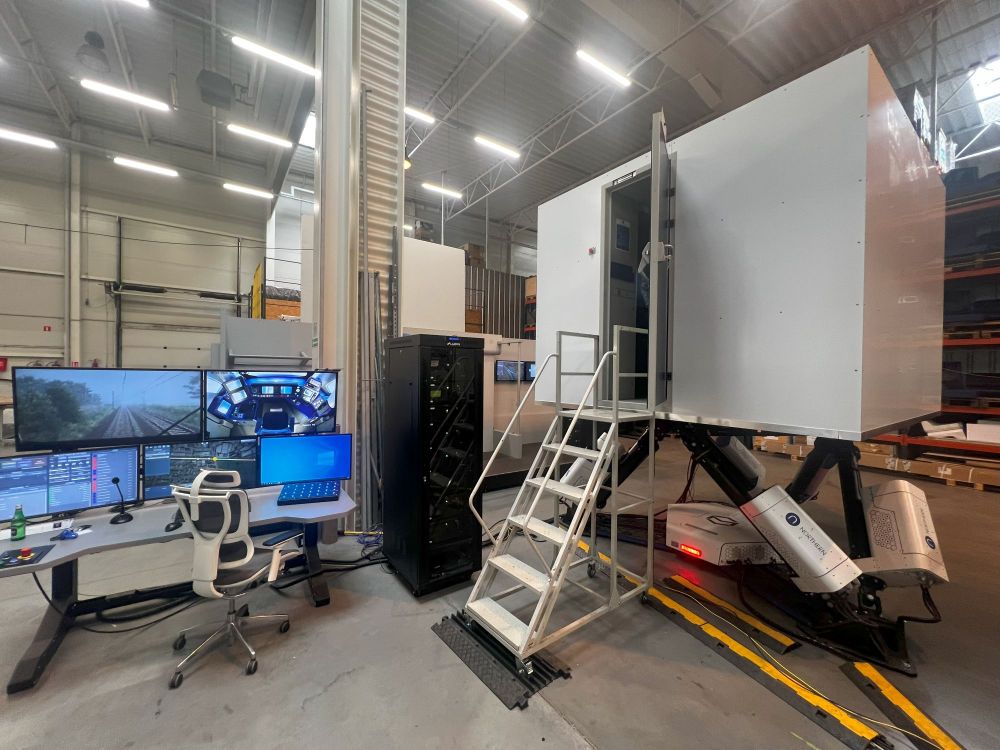
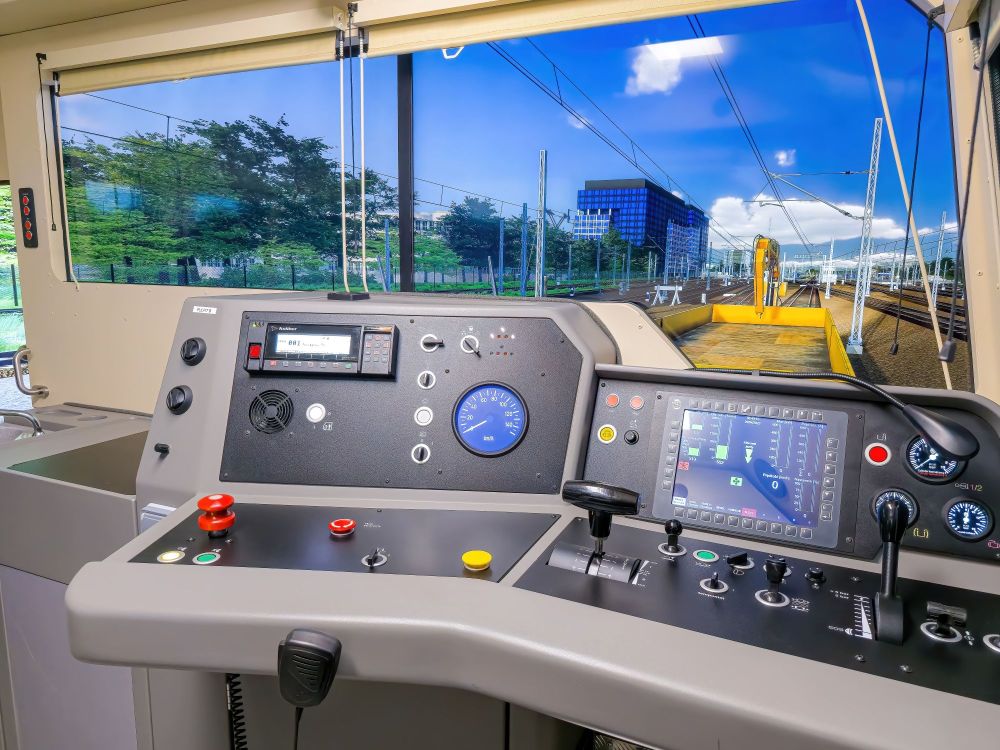
Our first product was a complete cab simulator on a motion platform made for one of the leading Polish regional passenger operators, Koleje Dolnośląskie, known as “KD”. Then we installed one functional simulator on a motion platform into a semitrailer, which everyone said was impossible. We brought this setup to trade fairs, attracted interest from many players in the market, and our success journey began. This would not have been possible without ample research and development support—6 million EUR of EU funding provided through the NCBR agency in Poland. In our product portfolio, you can also find smaller solutions, like the SMART type simulator, which covers an immersive driver's desk, and SMART Lite, which is a perfect training tool for ETCS or route acknowledgment scenarios.
RM: Could you describe the international reach of your simulators?
Michał Wierzbicki: SIM Factor's simulators operate both domestically, where we are the undisputed market leader, and internationally. You can find our simulators not only in Poland, but also in the UK, Lithuania, Latvia, Czech Republic, and Germany. We have recently established activities in India as a software provider and have signed a contract to manufacture our top-of-the-range two full-size simulators with motion platforms for Romania, with 20 years of warranty included. This kind of commitment is standard for us. For example, our contract with Northern Trains in the UK involves delivering 32 simulators with an 18-year maintenance agreement, valued at over EUR 6.4 million.
RM: Regarding Poland, could you describe SIM Factor’s recent contributions to the railway simulation sector?
Michał Wierzbicki: In Poland, we delivered advanced simulator platforms for the Office of Rail Transport (UTK). These simulators, which include motion platforms for maximum simulation realism, provide ongoing examinations for all train drivers in Poland. The available routes cover more than 8,000 km of simulated railway lines in Poland, and the database is still expanding. This is a pilot project in the EU and it has already proven its worth. Before simulator training, almost 90% of practical tests were passed by train drivers in several local traditional training centres. With simulators, where we can simulate all kinds of difficult situations, the pass rate has dropped to 50%. But in the end, when the simulators are responsible for “prequalification” before the real train, the success rate on the real train is over 95%. This means the immersive, reality-like experience turned formality into really hard tests, and together with UTK, we are making Polish railways incomparably safer than other countries when it comes to mitigating risks associated with railway transport.
RM: Can you describe your VRail product and its key functionalities?
Michał Wierzbicki: VRail is our virtual reality training system for railway operations, designed to replicate realistic scenarios, including emergency situations like equipment failure and fire. It supports training in technical procedures and system maintenance, adaptable to various specific training needs. It can be used by crew members other than train drivers. We also integrate it with our train driver simulators to make technical procedures on-board trains even more realistic.
RM: If you had to pinpoint one competitive advantage of SIM Factor, what would it be?
Michał Wierzbicki: We focus on the customer, addressing their needs and valuing their feedback. We also provide unique, continuous support for software. We provide all our clients with new digital routes and new functions or models free of charge. The advantage is that with every improvement and update, all our customers get the updates and improvements automatically and free of charge. Thus, our product is always updated. We share every scenario with everyone who is using our simulator, so it can be easily replicated.
If an incident happens—not even at your rail operations—you can quickly replicate the scenario in your simulator, which is a great prevention tool across all our customers. Moreover, our software is exactly the same from our full cabin simulators with motion platforms, through the mid-range SMART variant, to the portable SMART Lite version, which is very popular among vocational schools.
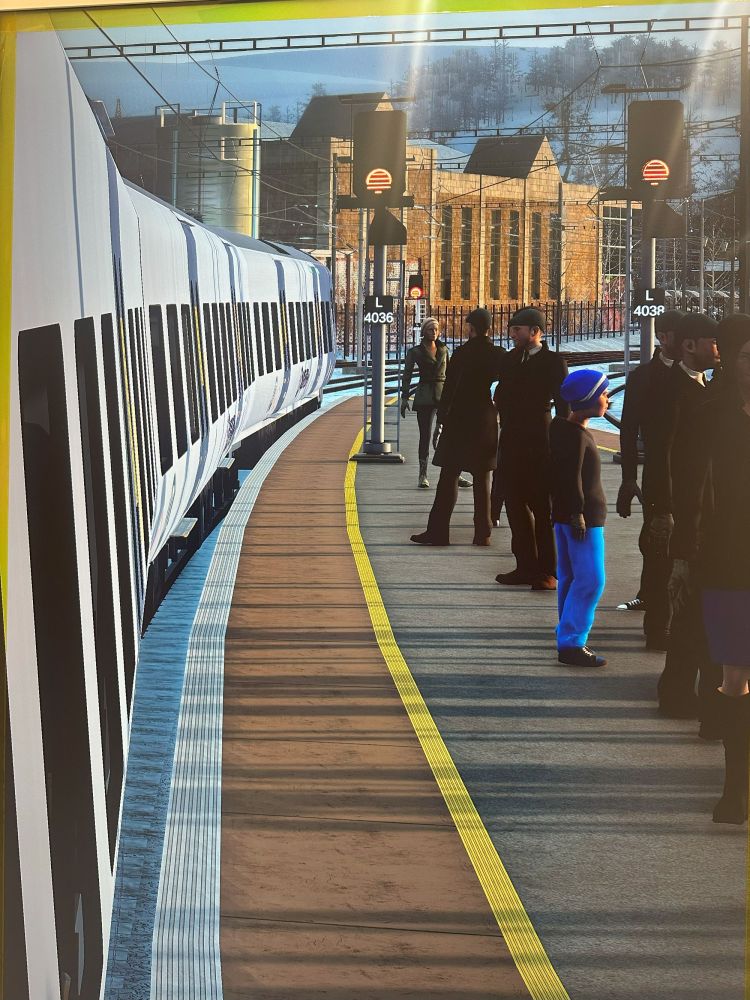
We regularly exhibit SMART Lite and during last year’s Innotrans trade fair, there was a long queue of people who wanted to test it. The same realistic graphics and scenarios we showed at Innotrans are available throughout the entire range of SIM Factor’s simulators. Our software is exactly the same, and where most of our competitors started with designing the train, we started with designing the environment—making the experience as realistic as possible. We can change the environment you drive in from summer to winter, from day to night, from sunny to foggy or rainy in seconds while we test-drive.
The simulations can be made extremely difficult, but as the saying goes: the more you sweat in training, the less you bleed in battle. Our online service and monitoring policy provides adjustments and improvements based on customer feedback, troubleshooting and fixing things online—e.g., at night when simulators are not running.
RM: Finally, what are SIM Factor's current strategic markets?
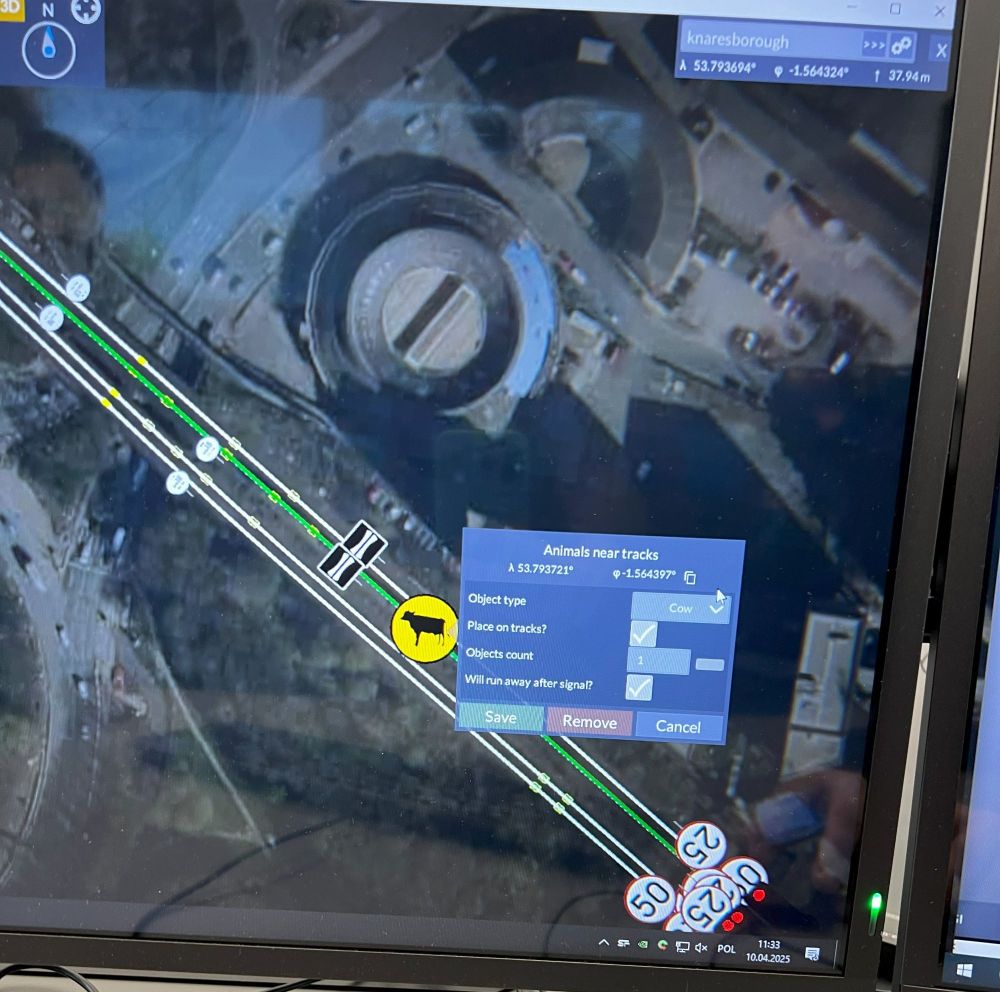
Michał Wierzbicki: Currently, SIM Factor maintains a significant presence in Poland and the UK. We are also active in Central and Eastern Europe and are expanding into the Indian market through local partnerships, as well as Romania, where we are currently manufacturing two full cab simulators. Our technology has been adapted for German standards via a Czech client, demonstrating our flexibility in meeting various international requirements. We would also like to provide a new service for our customers based on the current software. Based on the experiences of some of our users and how they have applied our software, we know that the SIM Factor Editor and the railway traffic management system—designed with user-friendliness in mind, similar to Google Maps—allow our platform to be used for building and testing railway routes, traffic scenarios, or even infrastructure that hasn't been built yet but is already planned.
Imagine being able to train drivers to operate on a modernized railway line—for example, equipped with a new Level 2 ETCS system—even though the infrastructure project will take several more years to complete. Your drivers would already be prepared. This means significantly lower costs when implementing changes.
In the same way, new timetables can be tested, or—as in the case of the universities we collaborate with—a new type or design of signal can be introduced and evaluated in the simulator, assessing its usability and impact on transport operations.
To be the best, you need to constantly change the rules, and we do know how to do it...
RM: Last question, could you share with us your latest plans and what you’re aiming to launch or deliver in the coming months?
Michał Wierzbicki: In addition to numerous new contracts, we have two main goals for the weeks and months ahead. First, we’re preparing for our debut on NewConnect—the alternative Warsaw Stock Exchange dedicated to technology companies. Second, we’re getting ready to unveil the newest version of our CGI (ed. note: computer generated imagery) for the SIM Factor simulation software.
What makes this launch truly exciting is that the new CGI and the virtual world our customers know will be reborn with breathtaking, next-level realism. And the best part? It’s not just about new routes. Every single route we’ve ever created will be brought to life again—more stunning and immersive than ever.