This extensive document addresses several challenges facing Europe’s rail sector, placing a spotlight on uniform deployment of the European Rail Traffic Management System (ERTMS), targeted use of public funds for infrastructure, and avoiding market disruption in rolling stock procurement. The organization, representing key private investors in freight and passenger locomotive fleets, believes its proposals will shape the industry’s next stage and secure private financing for future rail projects.
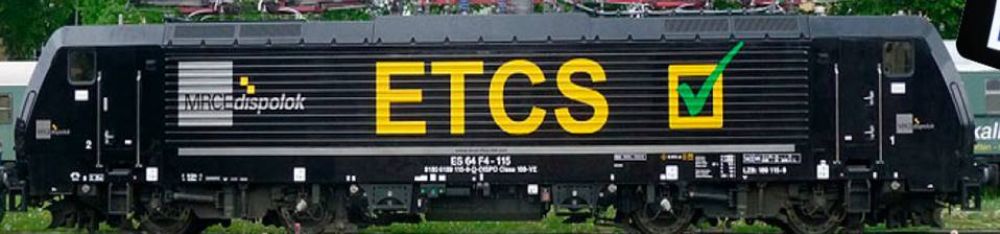
Focus on Baseline 3.4 and deferred introduction of Baseline 4.0
A central topic in the Manifesto concerns ERTMS, currently characterized by multiple Baseline versions across Europe. AERRL calls for a single Baseline 3.4 (system version 2.0) to be fully consolidated and used as the common reference point for at least the next ten years. According to the Association, further changes undermine the long-term viability of locomotives, each of which typically has a 30-year service life.
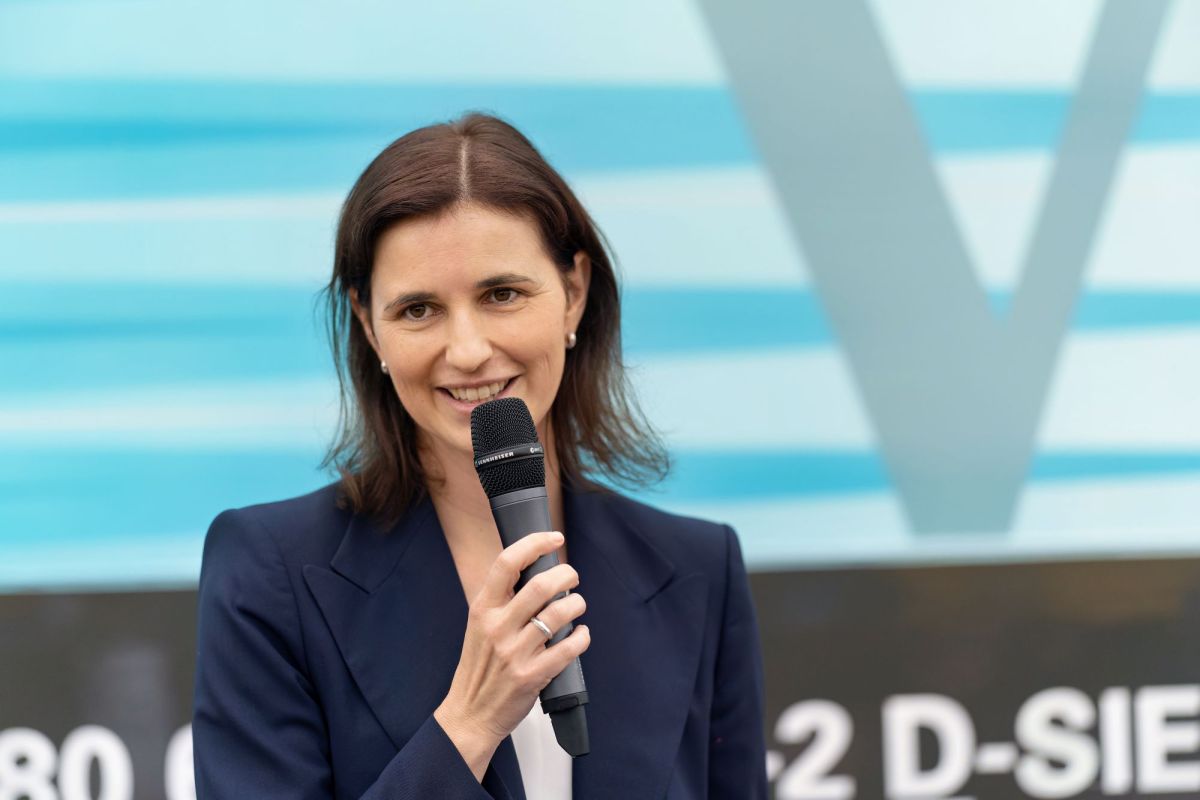
“ERTMS implementation has been slow, chaotic, and fragmented,” said AERRL’s Chair, and CEO of Akiem, Fabien Rochefort, noting that only 14% of the core EU network uses ERTMS today. During a press briefing, the Association emphasized the need for “pragmatism, methods, time, and substantial investments,” rather than hurrying into upgrades that do not guarantee improved returns. AERRL also advocates postponing the launch of Baseline 4.0 until it provides clear benefits and remains compatible with Baseline 3.4. The group’s members argue that multiple system overhauls during a locomotive’s operational lifespan lead to higher costs and reduced profitability.
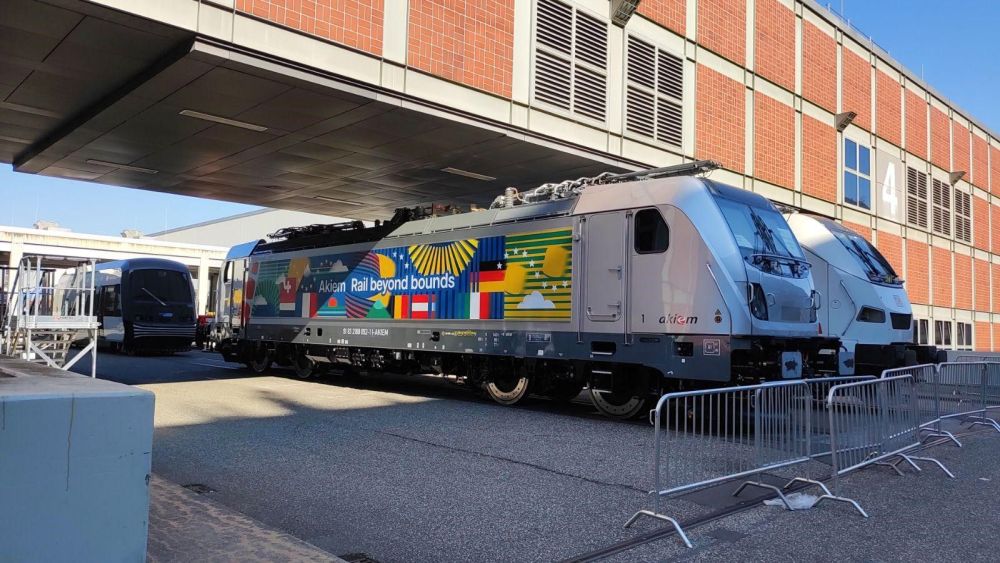
Requests for structured infrastructure investments
Along with the call for a unified ERTMS Baseline, AERRL underscores a broader requirement for public money to be routed toward strengthening rail infrastructure. The Association contends that major investments should target reliable energy sources, maintenance facilities, and cross-border interoperability. European authorities are urged to concentrate funds on:
- ERTMS deployments, ensuring consistent technical standards.
- The Future Rail Mobile Communication System (FRMCS), introduced independently from Baseline 4.0 considerations.
- Digital Automatic Coupling (DAC), which AERRL views as an enabler for higher capacity and shorter train preparation times.
At the press conference, speakers criticized what they describe as insufficient enforcement of EU rail regulations, lack of control mechanisms, and the complexity of obtaining multiple national homologations for rolling stock. The Association’s argument is that these factors fragment the European rail market and slow down private sector engagement.
Avoiding subsidies for new rolling stock
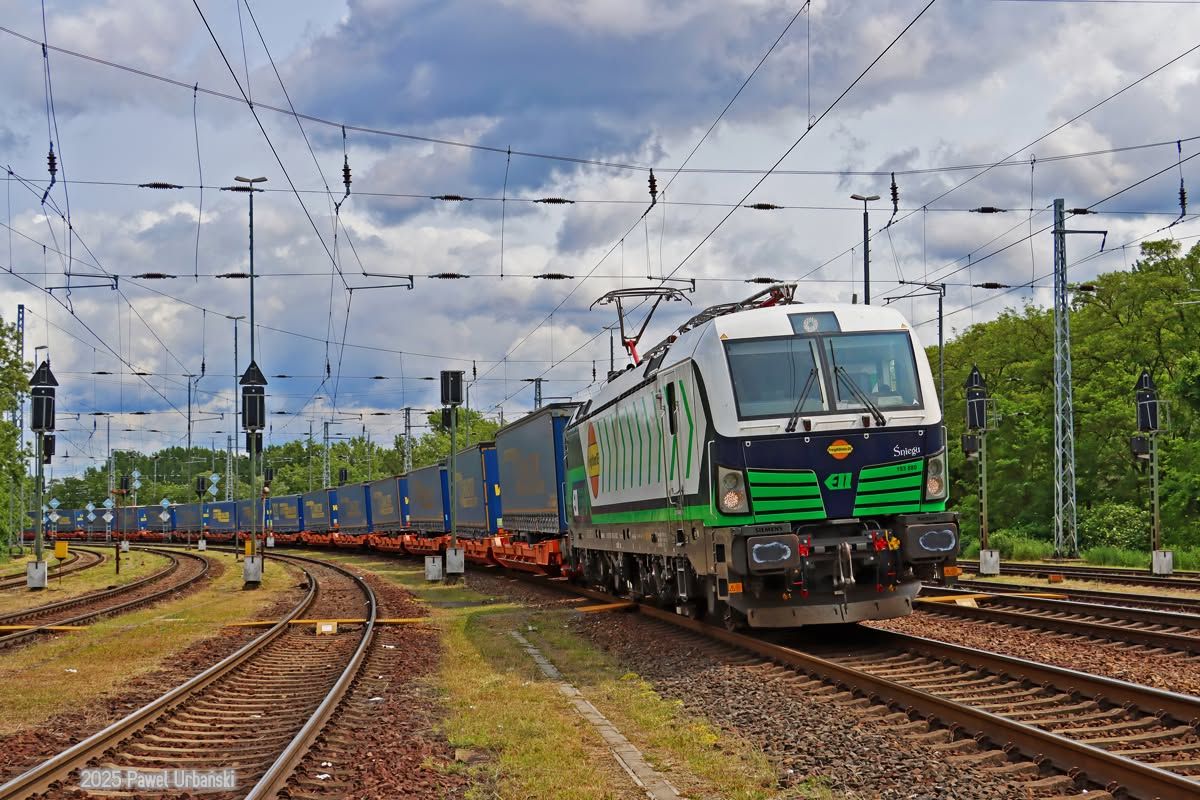
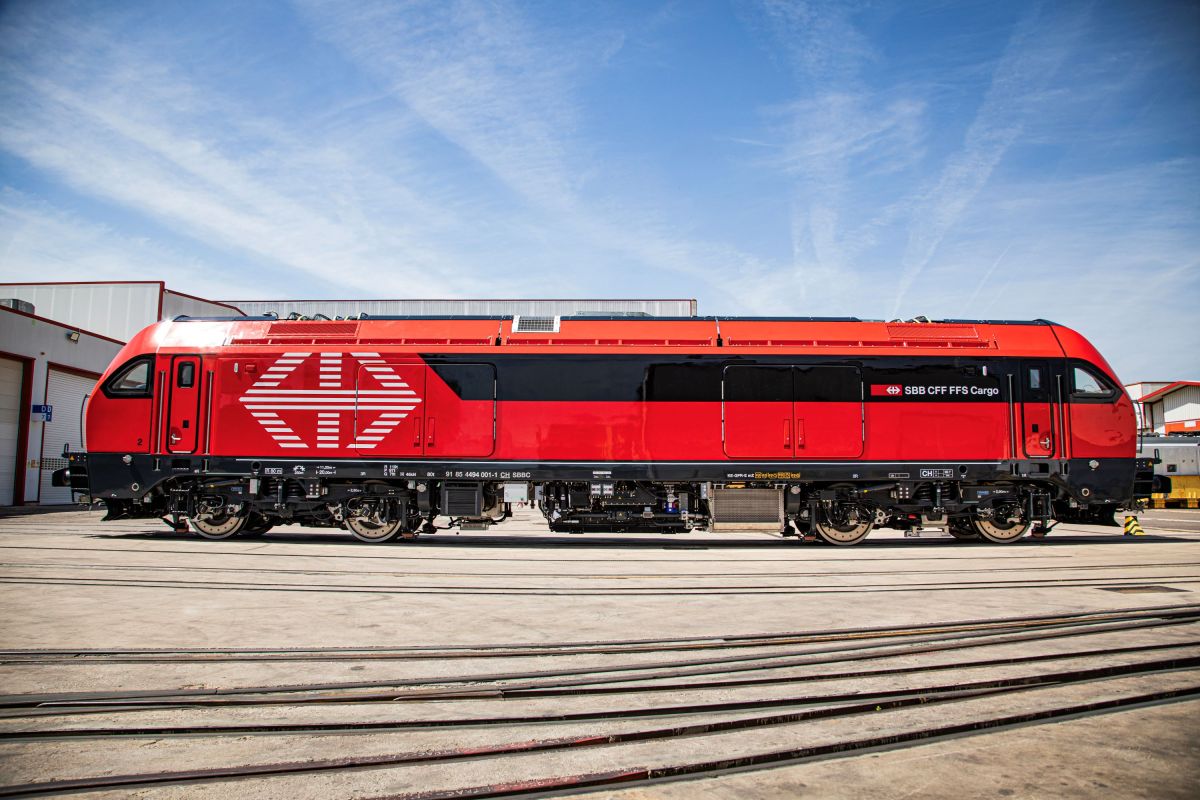
AERRL members collectively managed 3,650 locomotives in 2023, with around 800 more slated for delivery from 2024 onward. They estimate that lessors hold 45% of Europe’s new locomotive pool, 80% of which are electric and half equipped with ERTMS. This growing presence exemplifies what the group refers to as a successful private leasing model, modeled partly on the aviation sector, where 80% of aircraft fleets are financed through similar mechanisms.
Despite the steady rise in privately financed rail vehicles, AERRL warns against potential new public subsidies for purchasing brand-new locomotives or passenger trains. The Manifesto asserts that adequate private funds already exist for rolling stock acquisitions, and public money is more efficiently spent on infrastructure needs or retrofitting older trains with updated ERTMS and communications systems. AERRL representatives point to large-scale capital availability in the market and note that policymaking bodies should concentrate on creating a stable environment for further private investment.
FRMCS rollout and compatibility issues
Another pressing concern in the Manifesto is the migration from GSM-R to FRMCS. AERRL questions the European Commission’s stance that FRMCS implementation may only be compatible with ERTMS Baseline 4.0. The group argues that delinking FRMCS from Baseline 4.0 would avoid yet another wave of locomotive retrofits and software changes. They maintain that frequent technical upgrades erode the economic case for operators and lessors and complicate the path to fulfilling commitments under the EU Green Deal—a plan that seeks a 90% reduction in transport CO2 emissions by 2050.
According to officials, halting further interoperability updates until Baseline 4.0 is proven would limit the risk of stranding fleets with obsolete communications systems. They suggest that FRMCS must be “embedded in a realistic plan” to avoid forcing operators to carry out re-engineering projects too frequently, especially given ongoing supply chain uncertainties.
Preparing for the end of diesel traction
AERRL expects diesel traction to gradually exit Europe’s mainline networks. Battery- and electric-powered fleets are viewed as the next logical step, though a transitional period may see hybrid synthetic fuels filling the gap. One press conference attendee pointed out that shifting away from diesel requires coordinated efforts to secure alternative energy infrastructure, particularly partial electrification of additional rail corridors. The Manifesto links this issue with the broader discussion on stable ERTMS Baseline versions, as outdated energy systems and signals can reduce overall efficiency.
Speakers also brought up labor shortages, highlighting a shortage of skilled staff in rail operations, maintenance, and technology. The Manifesto’s wider objectives include promoting the standardization of asset management and maintenance practices and adopting transparent rules for workshop access. AERRL supports ending language barriers by 2030, believing such moves could streamline cross-border services and raise productivity.
Emerging role of private leasing in European rail
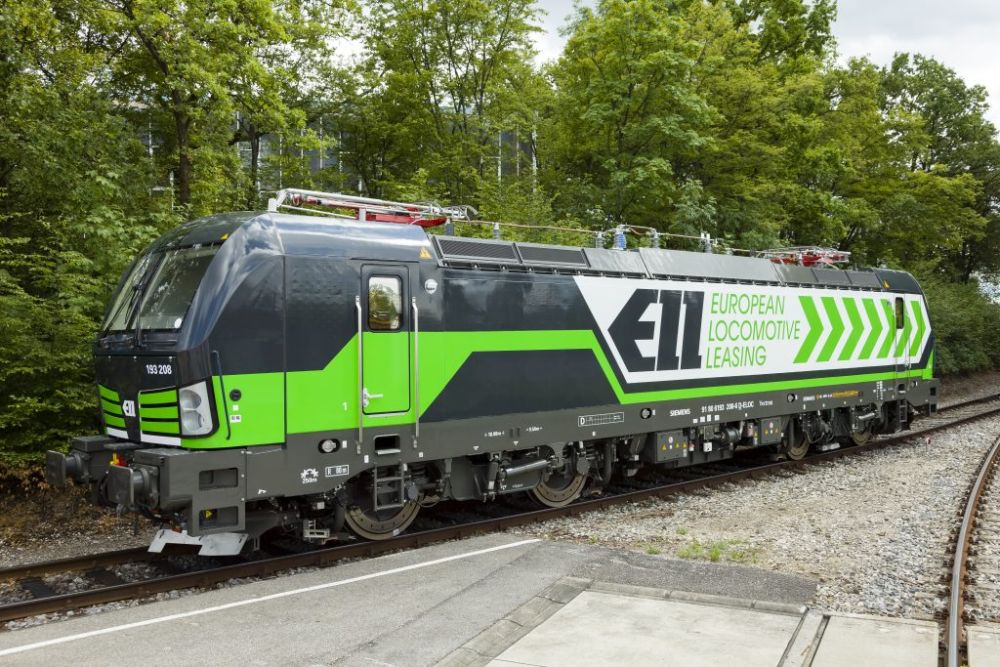
AERRL’s membership spans multiple lessors that have operated for only 10–15 years, but the group reports a strong track record in bringing private equity into the rail business. Exceeding 4,000 locomotives in 2024 signals growing investor interest. “Passenger rail is growing,” remarked Christian Kern, CEO of ELL during the press conference, urging authorities to recognize the potential of leasing companies as industry partners.
Outlook for policy coordination
AERRL’s Manifesto is addressed directly to European institutions, national governments, and the emerging leadership team in transport-related EU bodies. The Association draws attention to uneven implementation of existing directives, complicated homologation processes, and what it perceives as haphazard resource allocation. While congratulating the newly appointed officials in the Commissioner and Chair of the Committee on Transport and Tourism roles, AERRL indicates that it stands ready to assist in shaping frameworks that blend private investment with robust public initiatives.
In the view of these lessors, rolling stock can fund itself when proper economic conditions are met. They ask for enduring ERTMS Baseline 3.4 standards, a cautious approach to any Baseline 4.0 deployment, aligned FRMCS developments, and investments in modernizing trackside assets. The Association also points out that stable rules for software updates, maintenance practices, and language requirements can improve cross-border interoperability, which it sees as a foundation of the EU’s long-term environmental targets.