Dutch rail freight volumes fell by 4% year-on-year to 38.1 million tonnes in 2025, with the decline almost entirely attributable to lower coal transport, according to ProRail’s annual report Development of Rail Freight in the Netherlands 2025.
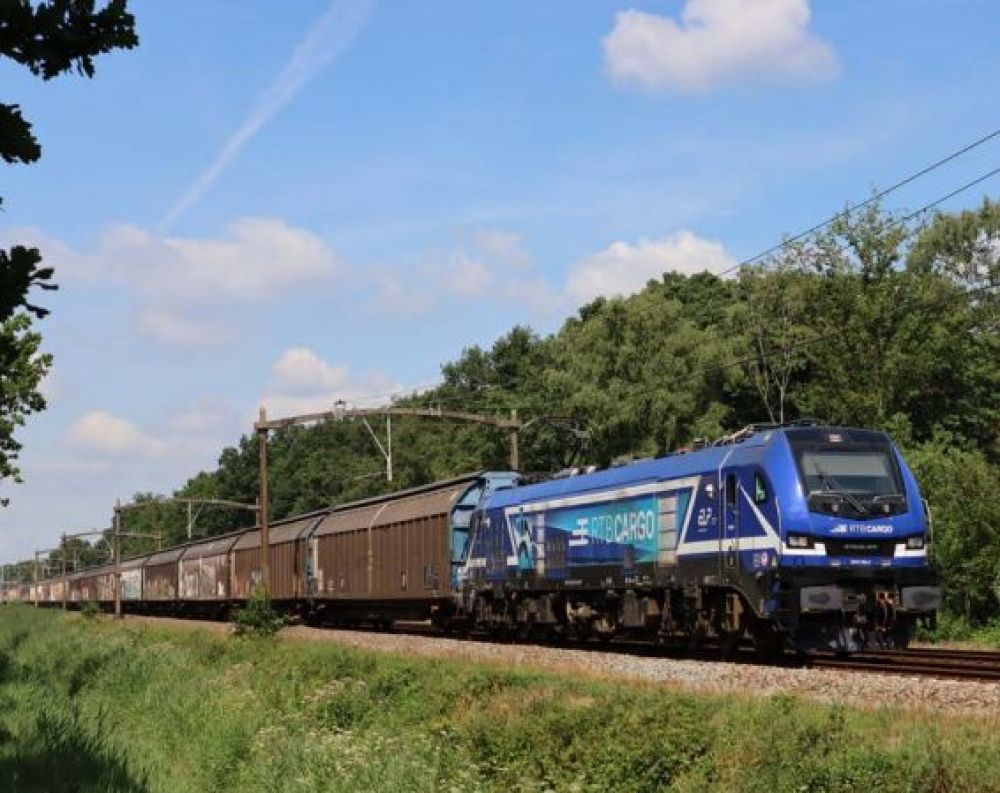
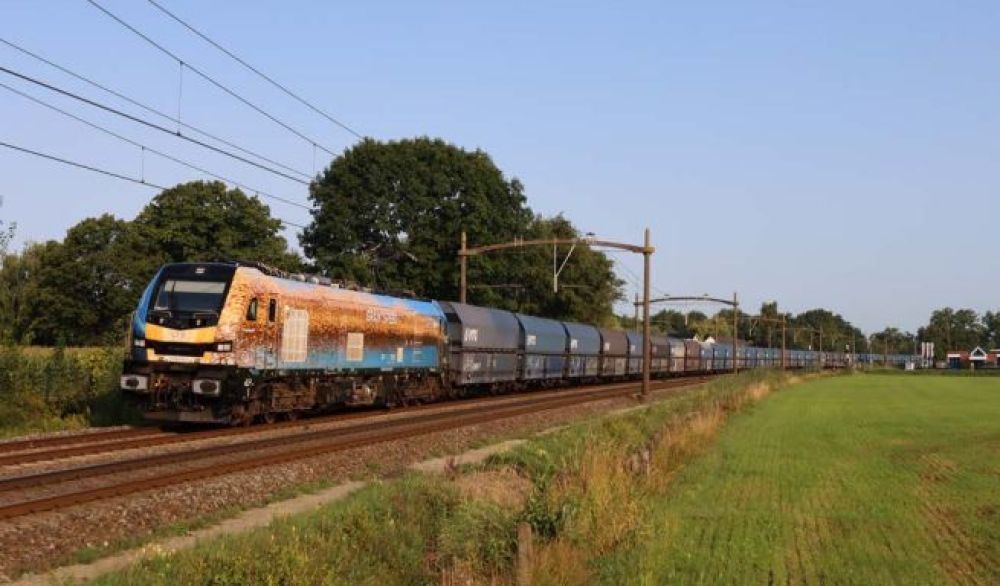
Coal transport dropped by 1.5 million tonnes to around 3.5 million tonnes, reflecting continued closures of coal-fired power plants in Germany. Coal accounted for less than 10% of total rail freight in 2025, compared with more than 20% in 2022. ProRail identifies coal as the dominant negative factor in the overall market development.
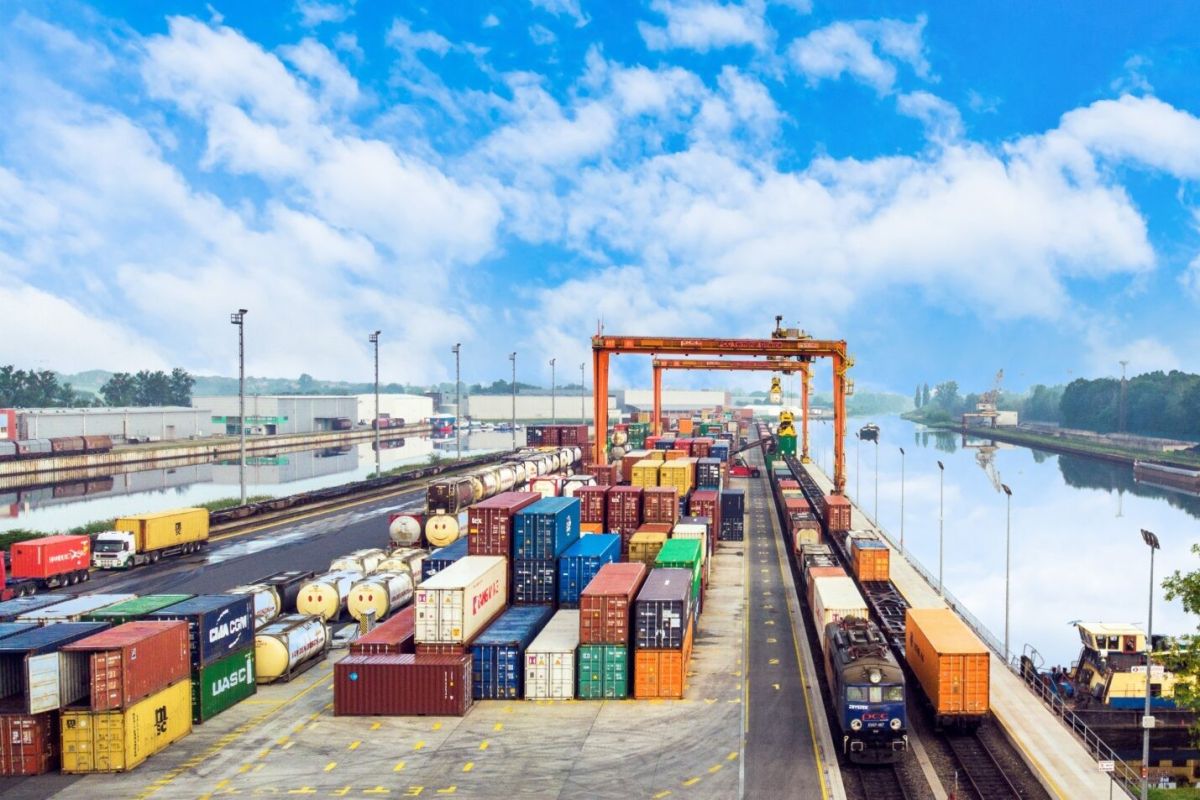
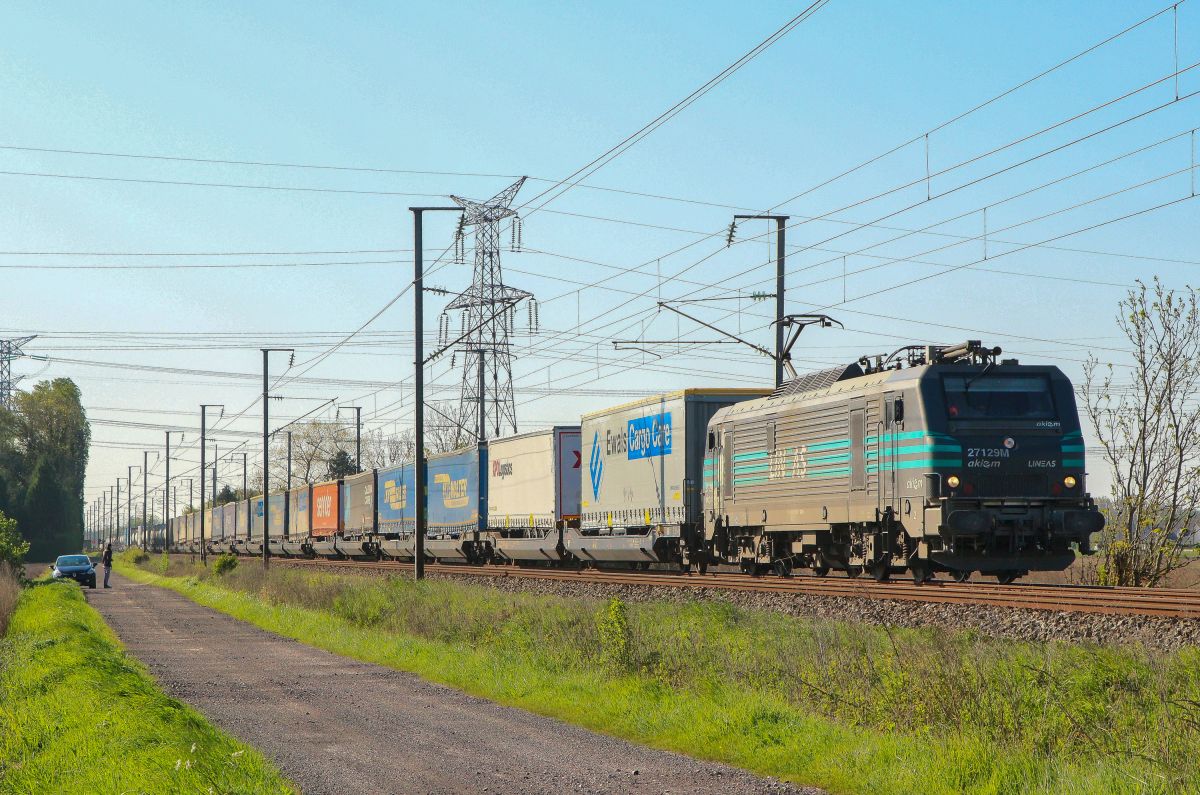
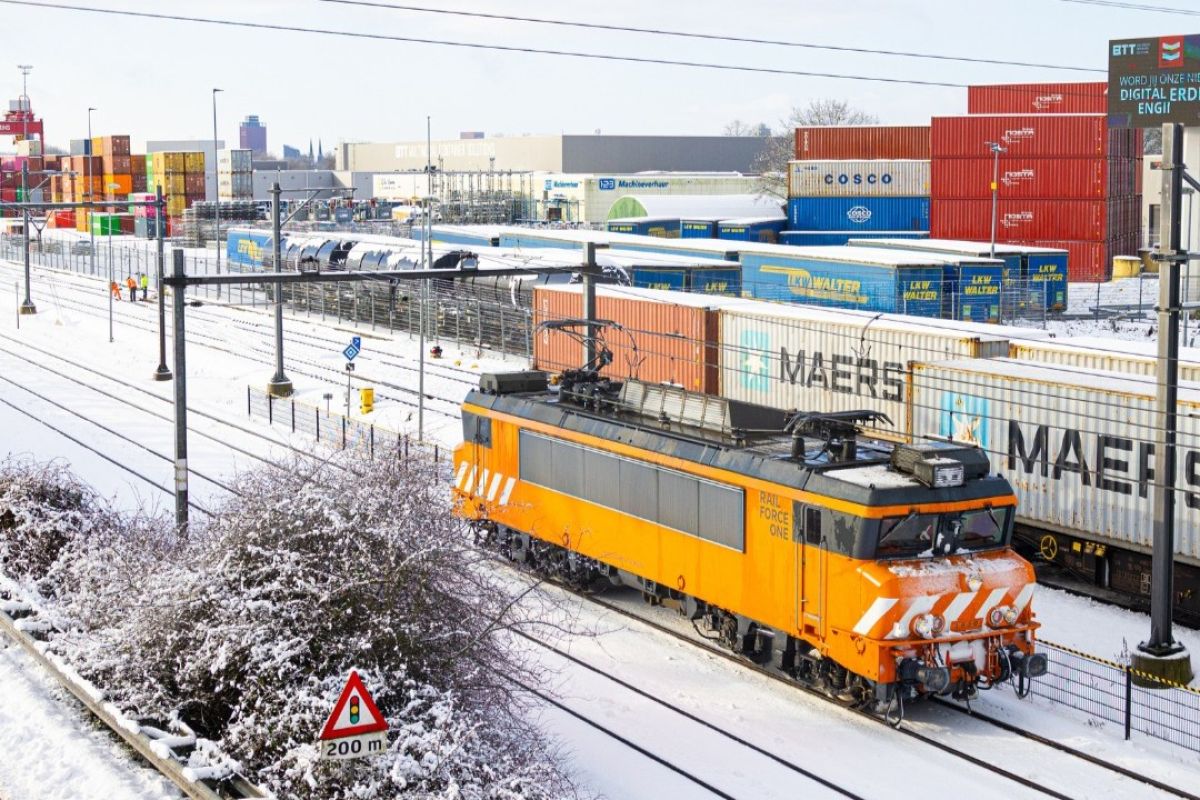
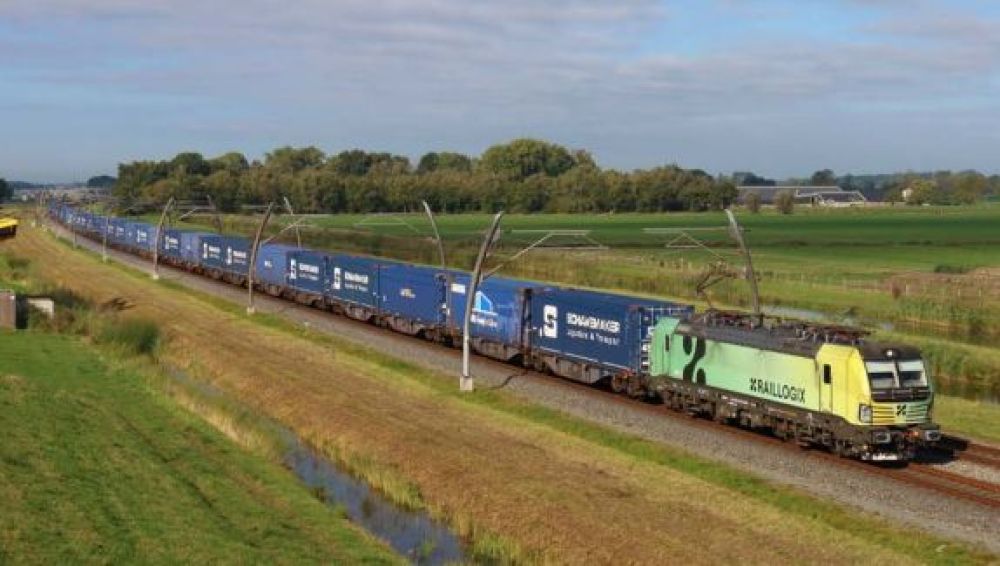
Intermodal traffic increased by 0.3 million tonnes to 21.7 million tonnes, representing 57% of total rail freight by weight. The majority of intermodal volumes consisted of containers, largely linked to seaport flows and continental European traffic. ProRail notes that intermodal services remained dynamic, with connections added, withdrawn, or rerouted during the year.
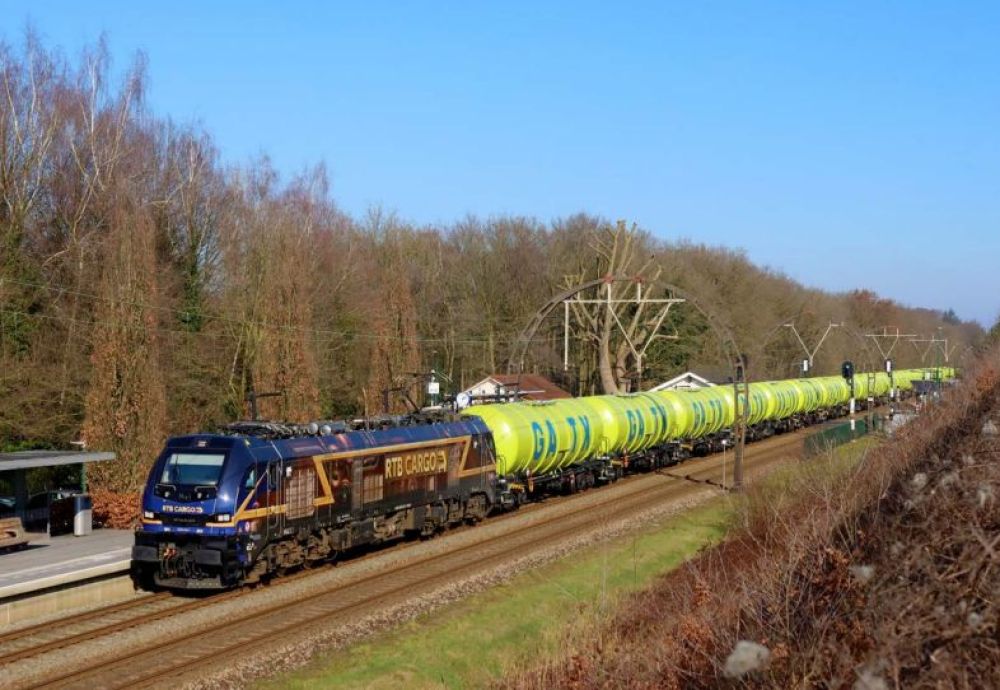
Other commodity segments showed limited variation. Steel and iron ore both increased by around 0.1 million tonnes, while dry bulk, liquid bulk, and general cargo each declined slightly, by approximately 0.1 million tonnes. Outside coal, the overall commodity mix remained largely unchanged compared with 2024.
Germany continued to dominate as the main origin and destination market. In 2025, around 41,250 freight trains crossed the Dutch–German border, down 5% year-on-year. The Brabant Route carried the highest volumes, as freight traffic was diverted from the Betuweroute during year-long construction works on the third track between Emmerich and Oberhausen.
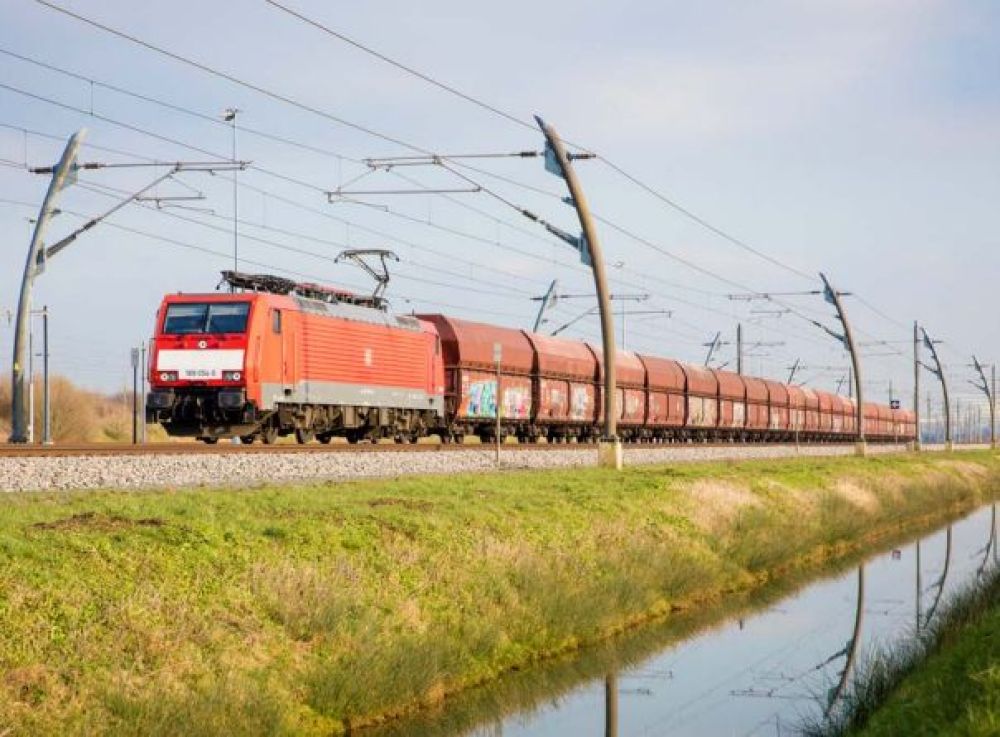
Rail freight linked to the port of Rotterdam declined by 4% to 24.8 million tonnes. Around 65% of all Dutch rail freight had a direct connection to the port. The reduction was again largely driven by coal, while most other port-related segments remained stable.
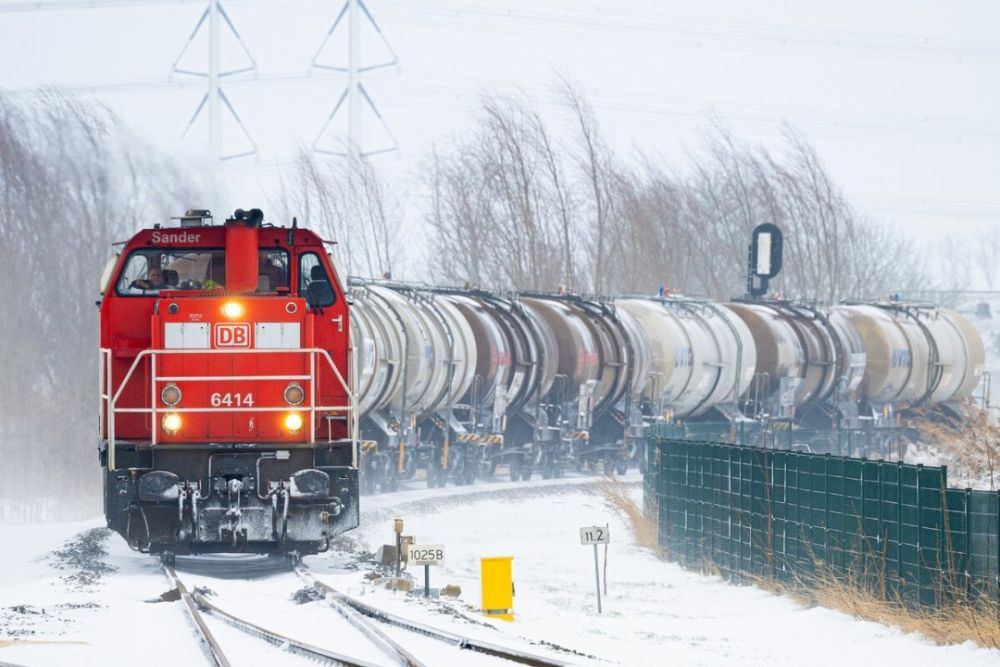
ProRail reports an ongoing shift away from wagonload services towards block trains and intermodal operations. This transition contributed to a further increase in long trains, with a higher share of freight services exceeding 650 metres. The number of wagonload trains on cross-border routes continued to decline as flows were consolidated into block train services.